
Not all renovations are equal when selling a property. Homeowners aiming to maximize equity must understand the difference between subjective upgrades and objective, equity-building investments. A highly personalized renovation—like a themed basement or extensive water feature—might offer personal joy, but rarely provides a full return on investment. Market data shows a “minor versus major” paradox: modest cosmetic updates often recoup a higher percentage of cost than major custom overhauls. Minor, impactful refreshes can yield returns between 70% and 85%, while luxury additions may struggle to reach 50%.
Before starting, homeowners should assess neighborhood limitations. Over-improving beyond local comparables is a common mistake. If local homes have laminate countertops and fiberglass showers, using imported marble and steam rooms won’t justify a price beyond the neighborhood’s value. To maximize resale requires strategic renovations with proven returns, balancing investment with buyer appeal, transforming properties into desirable assets in any market.
Reface Cabinets and Upgrade Fixtures to Slash Material Costs
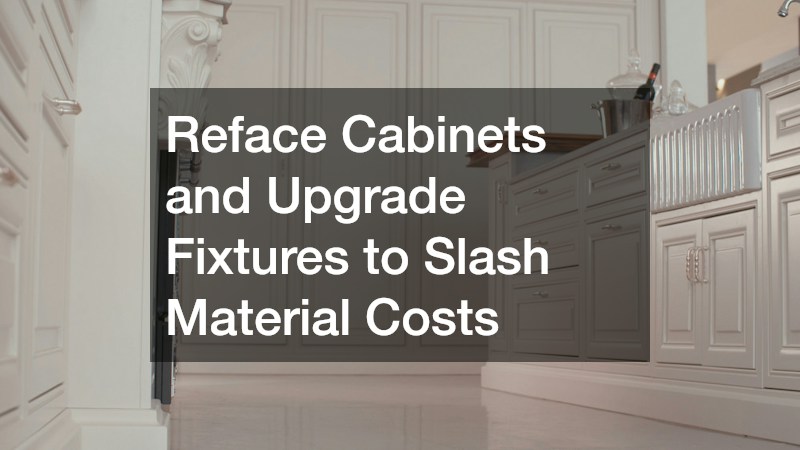
A full cabinet replacement is one of the most expensive line items in a renovation budget, often eating up tens of thousands of dollars before countertops or appliances are even considered. If the existing cabinet boxes are structurally sound, refacing or professionally refinishing them offers an incredible return on investment.
- Replacing heavy, ornate, or dated wooden doors with clean, transitional Shaker profiles instantly modernizes the visual landscape of the room.
- Applying durable, factory-grade lacquer finishes in crisp whites, soft greys, or rich navy blues provides a brand-new look at a fraction of the cost of total replacement.
- Upgrading to modern, tactile hardware—such as brushed brass or matte black drawer pulls—adds a layer of sophistication that catches the eye during a walkthrough.
- Installing a deep, single-basin undermount sink paired with a commercial-style gooseneck faucet signals premium functionality to avid home chefs.
Prioritize Neutral Stone Surfaces and Unified Appliances
Countertops and appliances are high-touch surfaces that buyers scrutinize closely. Upgrading these elements with broad appeal in mind is essential for a fast, profitable sale.
- Selecting mid-tier engineered quartz over volatile, high-maintenance natural stones like marble optimizes your cost per square foot while offering superior stain and scratch resistance.
- Swapping out a mismatched collection of white, black, and dated appliances for a cohesive, modern stainless steel package creates a streamlined, move-in-ready aesthetic.
- Upgrading to energy-efficient, smart appliances can also serve as a major selling feature for younger, tech-savvy millennial and Gen Z buyers.
While surface-level upgrades can often be managed directly, knowing when to call in professionals is vital for protecting your investment. If your vision includes moving plumbing lines or installing heavy natural stone, consulting with qualified kitchen remodeling contractors ensures the work meets local building codes and passes future buyer inspections. Furthermore, if you are planning to tear down a load-bearing wall to convert a cramped, closed-off galley kitchen into a highly sought-after open-concept space, hiring an experienced home remodeling company is the best way to guarantee structural integrity and a seamless transition between living areas.
Convert Outdated Tub Units into Walk-In Tile Showers
The era of the bulky, yellowed acrylic shower-tub combo is fading in favor of sleek, accessible, and luxurious bathing spaces. Transforming a master en-suite into a spa-like retreat is a proven strategy for driving up property value.
- Eliminating old fiberglass inserts in favor of floor-to-ceiling porcelain subway tile instantly elevates the perceived value and cleanliness of the bathroom.
- Installing frameless, heavy-duty glass enclosures opens up the visual footprint of the room, allowing natural and artificial light to bounce freely and make the space feel considerably larger.
- Integrating built-in shower niches for toiletries removes the need for hanging wire caddies, maintaining a minimalist, uncluttered aesthetic.
- It is critical to preserve at least one dedicated bathtub somewhere in the home—typically in a hallway or guest bathroom—to retain vital market appeal for family buyers with infants and young children.
Install Moisture-Proof, Continuous Surfaces Across the Floorplan
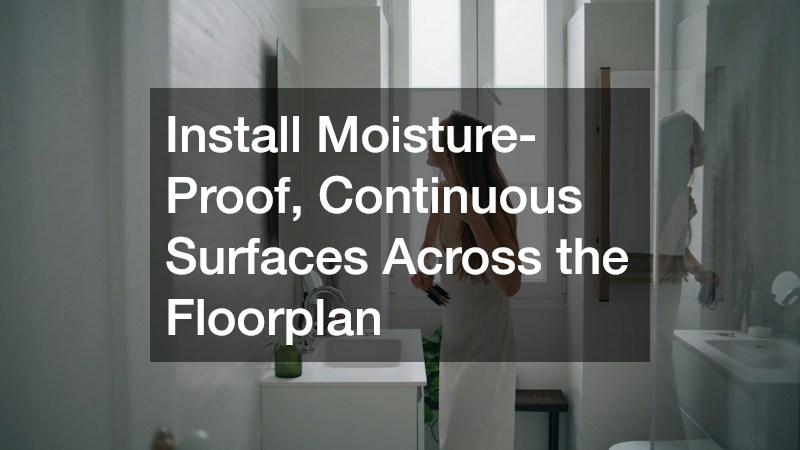
Bathrooms are high-humidity zones, and buyers are incredibly wary of any signs of past or present water damage. Upgrading the flooring and vanity setups to reflect modern waterproofing standards provides immense peace of mind.
- Upgrading to large-format porcelain tiles or high-grade luxury vinyl tile drastically reduces the number of grout lines, which are notorious for trapping dirt, cracking, and harboring mildew.
- Replacing dated, floor-bound vanity cabinets with floating wood-tone or neutral double-sink vanities frees up floor space and adds a contemporary, airy feel.
- Adding upgraded vanity lighting and backlit, anti-fog mirrors creates a premium daily experience for the end-user.
Because bathrooms involve complex plumbing and absolute waterproofing necessities, DIY attempts can easily lead to catastrophic behind-the-wall leaks. Utilizing a specialized bathroom remodeling company ensures that critical elements like shower pans and vapor barriers are installed flawlessly. Additionally, engaging a professional flooring service guarantees that the subfloor is perfectly leveled and fitted with the correct anti-fracture underlayment membranes before any expensive tiles are laid down.
Maximize Daylight Penetration to Eliminate Visual Clutter
Natural light is one of the most universally desired features in residential real estate. Maximizing the amount of sunlight that enters the home makes every room look larger, cleaner, and more welcoming.
- Removing heavy, dust-collecting drapery, outdated valances, and bulky blinds is the easiest way to immediately modernize a room’s aesthetic.
- Cleaning all window glass inside and out, and trimming back any exterior landscaping that blocks the glass, ensures maximum solar penetration.
- Using high-mounted curtain rods—installed close to the ceiling line rather than immediately above the window frame—draws the eye upward and visually extends the ceiling height in smaller living areas.
Select Energy-Efficient, Neutral Coverings for Universal Appeal
Once the heavy, outdated window coverings are removed, they must be replaced with solutions that appeal to the modern buyer’s desire for clean lines, privacy, and energy efficiency.
- Choosing crisp plantation shutters adds architectural interest to the interior while reading as a high-end, custom upgrade to appraisers and buyers alike.
- Installing motorized roller shades or cordless cellular shades boosts the home’s thermal insulation, keeping rooms cooler in the summer and warmer in the winter.
- Opting for neutral colors like soft white, ivory, or pale gray ensures that the fixtures will blend seamlessly with any buyer’s personal furniture and decor.
Custom, professionally installed window treatments signal a high level of move-in readiness. They convey to prospective buyers that the current owners have maintained a cohesive, upscale design standard throughout the property, eliminating yet another costly chore the buyer would otherwise have to tackle upon taking possession.
Upgrade Aging Exterior Cladding with Durable Fiber Cement
The exterior skin of a home is its first line of defense. When this layer begins to fail, it signals to buyers that underlying rot, mold, or structural issues may be lurking just out of sight.
- Cladding replacement routinely ranks as a top-five ROI project nationwide, frequently recouping well over 80% of the initial investment costs at the time of sale.
- Upgrading brittle, faded vinyl siding to heavy-duty fiber-cement panels provides superior fire resistance, pest deterrence, and weatherproofing.
- Utilizing modern architectural profiles, such as vertical board-and-batten mixed with traditional horizontal lap, adds significant depth, texture, and bespoke charm to an otherwise plain façade.
- Fresh exterior paint in high-demand, modern neutral palettes—like warm greige, soft charcoal, or classic white with stark black trim—dramatically revitalizes the property’s street presence.
Investing in a professional, warrantied siding installation gives the new buyer immense peace of mind, knowing they will not face a massive exterior capital expense for decades.
Remediate Exterior Masonry Cracks to Eliminate Buyer Inspection Red Flags
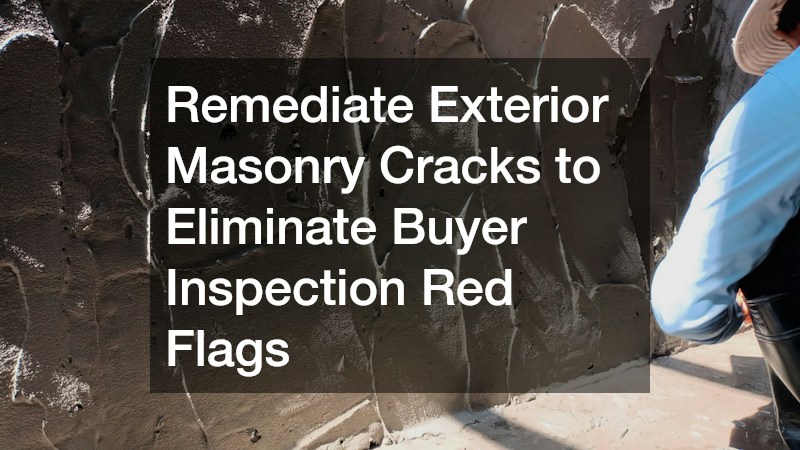
For homes built with brick, stone, or stucco, the condition of the masonry is a massive indicator of foundational health. Even purely cosmetic cracks can scare away uneducated buyers who fear the worst.
- Addressing hairline fissures, moisture intrusion, and cosmetic discoloration on textured exterior walls is non-negotiable before listing a property.
- Ensuring appropriate moisture barrier installation behind exterior plaster systems prevents dry rot, mold blooms, and catastrophic structural degradation.
- Repointing brickwork and sealing natural stone facades prevents freeze-thaw cycles from expanding small cracks into major structural failures during winter months.
Homeowners with Mediterranean, Southwestern, or modern builds must be particularly vigilant about their exteriors. Hiring qualified local stucco contractors to inspect the property, clear out weep screeds, and professionally patch any hairline settling cracks is the best way to ensure the home passes stringent structural inspections without triggering a buyer’s demand for heavy price concessions.
Establish Defined Living Zones with Low-Maintenance Perennials and Crisp Edging
Today’s buyers want beautiful outdoor spaces, but very few want to spend their weekends enslaved to yard work. The goal is to create maximum visual impact with minimal ongoing maintenance requirements.
- Pruning overgrown shrubs and tree canopies that block natural light from entering the windows or physically scrape against the foundation walls and rooflines.
- Installing drought-tolerant native plants that thrive in the local climate without requiring constant watering, fertilization, or chemical interventions.
- Laying down fresh, dark, organic mulch to suppress weeds, retain soil moisture, and provide a sharp, high-contrast visual against green lawns and concrete walkways.
- Adding solar-powered walkway illumination and low-voltage uplighting on feature trees to create an inviting, secure, and upscale evening entry for buyers doing twilight drive-bys.
Partnering with a professional landscaping business can help homeowners design these low-maintenance, high-impact zones efficiently, creating an immediate visual payoff that makes listing photos pop and drives higher online click-through rates.
Restore Broken Walkways and Driveways for Immediate Drive-Up Impact
The hardscaping—driveways, front walks, and entry steps—serves as the literal red carpet to the home. If it is crumbling, it drastically detracts from even the most beautiful architectural features.
- Repairing frost-heaved concrete slabs, sunken pavers, and badly oil-stained asphalt that create overwhelmingly negative first impressions.
- Leveling out front steps and entry pathways to remove dangerous trip hazards that could cause issues with strict lender appraisals or FHA/VA loan underwriting.
- Adding defined stone borders, modern permeable paver ribbons, or fresh asphalt sealing to give the driveway a crisp, finished, and intentional look.
Hiring a licensed paving company to rip out degraded asphalt, fix underlying grade drainage issues, and pour a smooth, flawless new surface removes an immediate aesthetic objection and proves to the buyer that the foundational elements of the property are in top-tier condition.
Direct Runoff Away from Foundations to Avoid Costly Appraisal Concessions
Water is a home’s greatest enemy. Poor drainage is the leading cause of cracked foundations, flooded basements, and chronic mold issues, all of which will swiftly kill a real estate transaction.
- Installing seamless, 6-inch aluminum channels to handle heavy torrential downpours without overflowing behind the fascia boards.
- Extending downspouts to ensure that all roof runoff is deposited at least 6 to 10 feet away from the home’s foundation, basements, and crawl spaces.
- Grading the soil around the perimeter of the home so that the earth naturally slopes away from the foundation walls, preventing pooling water.
- Adding high-quality, micro-mesh leaf guards to prevent seasonal clogs, fascia rot, and devastating winter ice damming in colder climates.
Because water mitigation is a game of precise angles and volumes, bringing in specialized gutter services ensures clean pitch calibration. Proper installation guarantees that water flows swiftly to the downspouts, preventing the subtle, slow leaks that standard handymen frequently overlook.
Document Preventative Maintenance to Prove Home Stewardship
Completing the work is only half the battle; proving the work to a skeptical buyer is the other half. Documentation acts as a powerful negotiating tool.
- Keeping a well-organized binder of clean drainage records, foundation inspections, and recent roof certifications.
- Transferring equipment warranties for roofing materials, HVAC units, and water heaters directly to the new buyer.
- Providing receipts for pest-proofed soffits, chimney sweeps, and annual servicing to demonstrate an unbroken chain of responsible home stewardship.
Successfully preparing a home for the market requires a balanced prioritization matrix. Homeowners must weigh the urgency of mechanical and defensive updates—such as repairing the roof, optimizing drainage, and securing the foundation—against the powerful emotional triggers of cosmetic updates like kitchen accents, luxury bath fixtures, and vibrant curb appeal. A structurally sound home with a dated kitchen might not spark a bidding war, but a stunningly updated home with a failing foundation will almost certainly fall out of escrow.
Aim to ensure that every dollar spent directly protects the property’s baseline structural value while returning at least three times its cost in measurable buyer appeal and equity at the time of sale. Disciplined planning, a commitment to neutral and universally appealing design palettes, and reliance on professional-grade workmanship will consistently outperform rushed, hyper-customized, and sloppy DIY projects in the open real estate market. By methodically addressing both the visible aesthetics and the invisible structural health of a property, sellers position themselves to attract the highest quality buyers, breeze through the inspection period, and secure maximum return on their property investment.