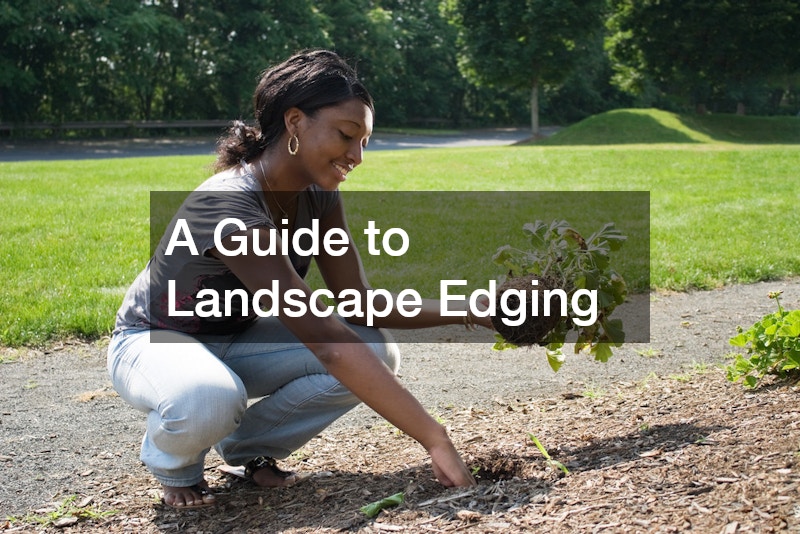
Landscape edging is a simple yet powerful way to elevate both the appearance and functionality of your garden. By defining boundaries, controlling soil and mulch, and adding a finished look to flower beds, walkways, and lawns, proper edging creates a sense of structure and balance. With the right materials and installation techniques, you can transform your outdoor space into a visually appealing and well-organized environment.
This guide explores material options, installation methods, benefits, maintenance, and the latest trends in landscape edging.
1. What Materials Are Best for Landscape Edging?
1.1 Stone Edging Options
Stone edging provides a natural and durable solution for defining garden spaces. Options range from flagstone and cobblestone to river rocks, each offering unique textures and colors. Stone is ideal for both formal and informal garden designs and withstands harsh weather without significant wear. Its permanence makes it a favorite for long-lasting landscape boundaries.
1.2 Metal Edging Varieties
Metal edging, typically made from aluminum or steel, delivers a sleek, modern aesthetic. It offers sharp lines that contrast beautifully with soft landscaping elements. Metal edging is flexible enough for curves and easy to install, and it resists deterioration better than wood. Galvanized or powder-coated finishes also extend its lifespan.
1.3 Wooden Edging Choices
Wooden edging brings warmth and organic appeal to a garden. Popular options include cedar, redwood, and pressure-treated pine, which are naturally resistant to decay. Wooden borders can be cut to fit straight or curved layouts, making them versatile for many designs. Regular sealing or staining helps maintain their appearance over time.
2. How to Install Edging for Different Landscapes?
2.1 Steps for Installing in Flat Areas
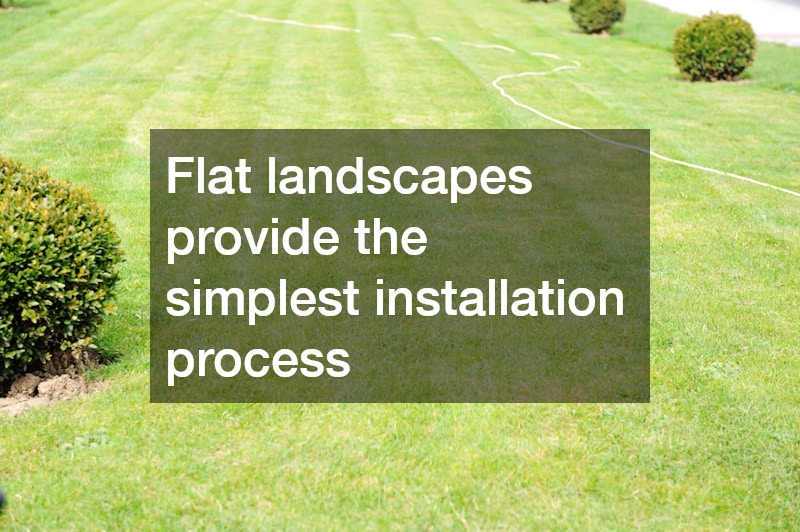
Flat landscapes provide the simplest installation process. Begin by measuring and marking your desired border line. Dig a shallow trench and position the edging material, ensuring it sits flush with the ground. Backfill and compact soil around the edges to secure it firmly.
2.2 Techniques for Sloped Edging
Sloped areas require careful alignment to prevent movement. Use stakes or anchors to maintain stability, and cut edging materials to fit the contour of the slope. Layering soil or gravel behind the edging can prevent erosion and improve durability.
2.3 Edging for Curved Gardens
Curved borders create a more natural flow in a garden. Flexible materials such as metal, plastic, or rubber are ideal for curves. Gradually bend or notch rigid materials like wood or stone to achieve smooth, continuous lines. Proper installation ensures a consistent aesthetic and functional performance.
3. What Are the Benefits of Landscape Edging?
3.1 Aesthetic Improvement
Well-chosen edging creates crisp lines that enhance visual appeal. It adds structure, highlights design elements, and can complement garden color schemes and textures.
3.2 Weed Prevention
Edging serves as a barrier to invasive grass and weeds, reducing maintenance needs and preserving clean beds.
3.3 Soil Retention
Edging helps prevent soil erosion by holding mulch and soil in place, especially on slopes or high-traffic areas.
4. How to Maintain Different Types of Edging?
4.1 Caring for Stone Edging
Stone requires minimal upkeep but may benefit from occasional cleaning to remove moss or debris. Realigning any displaced stones maintains a uniform appearance.
4.2 Maintenance Tips for Metal Edging
Metal edging may need rust prevention treatments, particularly in humid climates. Inspect fasteners and adjust alignment as necessary.
4.3 Preserving Wooden Edging
Wooden borders should be sealed or stained periodically to prevent rot. Replace any damaged sections promptly to maintain a polished look.
5. What Are the Top Trends in Landscape Edging?
5.1 Modern Minimalist Designs
Sleek, linear edges in metal or stone complement contemporary landscapes and emphasize simplicity.
5.2 Multi-Layered Edging Trends
Combining materials like wood and stone adds depth and texture, creating visually engaging borders.
5.3 Naturalistic Edging Styles
Edging that blends seamlessly with plants and natural terrain fosters a relaxed, organic feel.
Selecting the right landscape edging materials and installation methods dramatically improves your garden’s appearance, functionality, and longevity. By understanding material options, installation techniques, maintenance practices, and emerging trends, you can create clearly defined, attractive spaces that reduce maintenance while maximizing aesthetic appeal. Thoughtful edging not only enhances beauty but also provides practical benefits such as weed prevention, soil retention, and easier lawn management. Properly executed landscape edging ensures a polished, cohesive garden that can be enjoyed year-round.