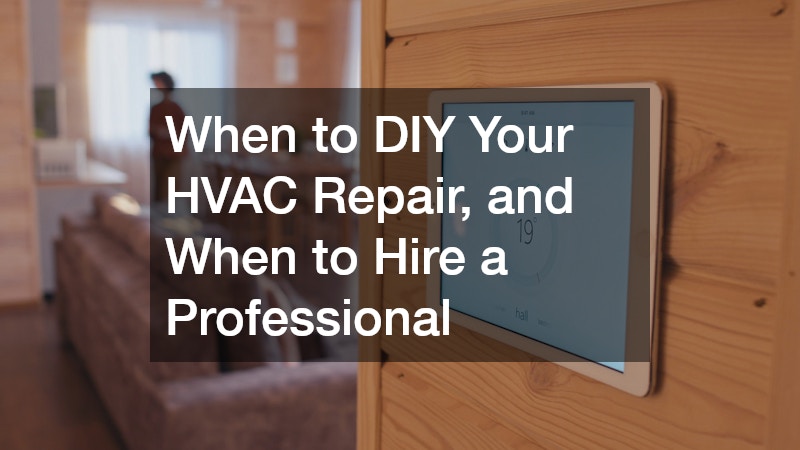
Understanding your HVAC system is the first step in determining whether you can manage repairs on your own. The HVAC system is comprised of heating, ventilation, and air conditioning components that work together to regulate your home’s temperature. Each section—whether it’s the furnace, the air conditioner, or the ventilation ducts—plays a pivotal role in maintaining ideal indoor air quality and comfort. Familiarizing yourself with essential parts such as filters, coils, and thermostats can aid in routine maintenance, which is a task often suitable for DIY enthusiasts. However, knowing the limitations of your knowledge is crucial to ensuring safety and effectiveness in any repair job.
Regular maintenance checks like changing air filters and cleaning vents are manageable tasks that can help you familiarize yourself with your system’s basic functioning. These preventive measures can extend the lifespan of your HVAC system if done regularly. When conducting these tasks, it’s essential to ensure that the system is turned off and that you follow any safety instructions to avoid injury or further damage. Many resources are available online, such as videos and tutorials, to guide homeowners through these elementary tasks. However, issues that go beyond simple maintenance can require a deeper understanding of the system and may not be suitable for DIYers.
One fundamental aspect of handling HVAC repairs is knowing when your interventions are limited to prevent future complications. While adjusting the thermostat or replacing an air filter might seem trivial, accidentally meddling with sensitive equipment or wiring can lead to higher repair costs or dangerous situations. Understanding the basics of your HVAC system can bridge the gap between minor fixes and more complex issues, guiding you in making informed decisions regarding repairs. Always consider the complexity of the issue before deciding whether to tackle it yourself. Keeping a detailed record of your system’s performance and past repairs can also help identify potential problems before they escalate.
When DIY is the Right Choice
DIY HVAC repairs can sometimes be the appropriate route for homeowners experienced with basic maintenance and minor fixes. If the issue is straightforward, such as a thermostat not working correctly, a DIY approach can certainly be considered. In such cases, checking the power source or reprogramming the thermostat could resolve the problem without professional intervention. However, ensure the replacement parts or required tools are readily available and that you have understood the potential risks involved in DIY repairs. Additionally, consulting user manuals or online resources can provide guidance and confidence if undertaking such minor repairs.
Small-scale repairs like replacing a clogged filter or cleaning the coils can save time and money if completed correctly. These tasks do not typically require special tools or extensive technical knowledge, making them ideal candidates for DIY projects. Nonetheless, safety should always take precedence, as working with electrical components can pose a risk if not handled correctly. Moreover, the satisfaction of successfully completing a minor repair can enhance your understanding and keep your HVAC system functioning smoothly. Remember, while DIY may be an efficient short-term solution, regular maintenance and checks are crucial for long-term performance.
When engaging in DIY HVAC repairs, always take the necessary precautions to avoid unnecessary complications. Make sure your tools are in good condition, and wear protective equipment if needed, such as gloves or goggles, to prevent accidents. Triple-checking your work can also save you from unintended mistakes that could render the system inoperable or unsafe. Furthermore, researching common HVAC issues can empower you in tackling similar problems in the future without professional help. Yet, if you find that the repair requires more technical expertise, do not hesitate to seek professional assistance to avoid exacerbating the problem.
When to Call a Professional
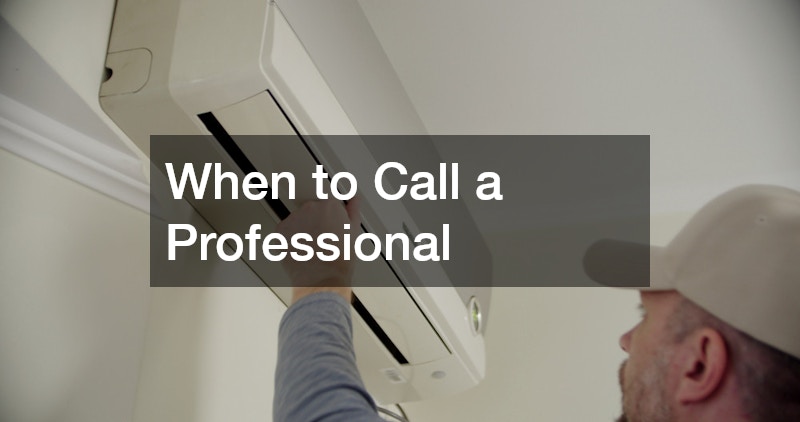
There are specific situations in HVAC repairs where calling a professional is not only advisable but necessary. Electrical issues, for instance, pose inherent risks if handled improperly, potentially leading to electrical shocks or fires. Similarly, refrigerant leaks require professional handling due to their health risks and strict regulations regarding their use and disposal. If your system stops working entirely and you cannot isolate the problem through basic troubleshooting, a professional HVAC technician should be consulted. Their expertise equips them to diagnose and repair complex problems efficiently, ensuring your system is restored without delay.
Professionals possess the training and experience to manage intricate components of HVAC systems, which might not be evident to the average homeowner. Licensed technicians are knowledgeable about the latest technology and industry standards, ensuring that repairs are conducted with precision and compliance. Furthermore, professional service providers typically offer warranties on their repairs, providing peace of mind if further issues arise shortly after the work is completed. Attempting to fix these complex issues on your own may void warranties or lead to more extensive damage. Thus, hiring a professional becomes a cost-effective path for addressing such challenges.
The choice between DIY and professional repairs hinges on the severity and complexity of the issue at hand. HVAC systems are integral to home comfort, and their maintenance or repair should not be compromised by inadequate solutions. Understanding when your skills suffice to handle a problem and when you need a professional’s expertise is key to preserving the efficiency and longevity of your system. While the allure of saving money on repairs may seem appealing, it is imperative to weigh the potential risks and consequences of DIY attempts. As with any intricate machinery, a balanced approach to maintenance, regular check-ups, and professional input when necessary will ensure optimal performance and reliability.