
Installing a backyard pool is one of the most exciting upgrades a homeowner can make. A thoughtfully designed pool transforms an ordinary yard into a relaxing retreat where family and friends can gather, cool off, and create lasting memories. Beyond recreation, a well-planned pool area can also enhance the aesthetic appeal of a home and potentially increase its property value.
However, building a pool is not a small project. It requires careful planning, budgeting, and decision-making before the first shovel of dirt is ever turned. Homeowners must evaluate their available space, choose the right design, understand installation options, and plan for long-term maintenance. These decisions will affect not only how the pool looks but also how easy it is to care for in the future.
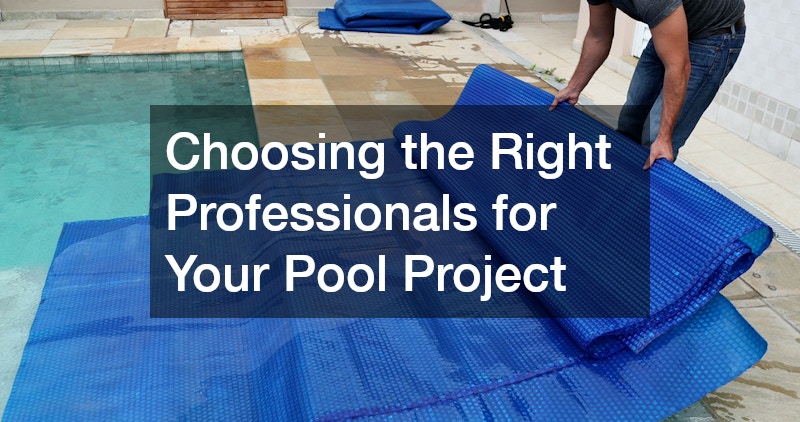
Choosing the Right Professionals for Your Pool Project
Researching experienced contractors
Selecting the right team is one of the most important decisions when planning a backyard pool. Experienced pool companies bring valuable knowledge to every stage of the project, from initial design to final construction. Reputable companies can help homeowners understand realistic timelines, material options, and the overall scope of the project.
Before making a final decision, homeowners should research several providers and review their past projects. Photos of completed installations, testimonials from previous clients, and transparent estimates can reveal a lot about a company’s reliability and craftsmanship.
Understanding installation expertise
Different contractors may specialize in specific types of installations. Working with an experienced in ground pool contractor ensures the design and construction process is handled by professionals who understand excavation, structural requirements, plumbing, and safety regulations.
An experienced contractor can also help homeowners avoid costly mistakes by recommending the best materials and designs for the property’s soil conditions, climate, and drainage patterns.
Comparing proposals and estimates
Obtaining multiple quotes allows homeowners to compare costs and services. Some contractors include landscaping, decking, or lighting in their proposals, while others focus strictly on the pool structure itself.
Looking closely at what is included in each estimate helps ensure homeowners are making accurate comparisons. The lowest price may not always represent the best value if important elements are missing.
Checking licensing and insurance
Before hiring any contractor, homeowners should confirm that the company is properly licensed and insured. This protects both parties in the event of accidents, delays, or unexpected issues during construction.
Reliable contractors are transparent about their credentials and will gladly provide documentation when requested.
Understanding Different Pool Construction Options
Comparing common pool materials
Pools can be constructed using several materials, each offering different advantages. One increasingly popular option is fiberglass pool installation, which provides a smooth, durable surface and faster installation times compared to some other construction methods.
Fiberglass pools are manufactured off-site and installed as a pre-formed shell. Because of this process, installation timelines are often shorter, and maintenance requirements can be more manageable over time.
Evaluating durability and lifespan
Homeowners should also consider long-term durability when choosing a pool type. Some materials require resurfacing or structural maintenance after many years of use, while others maintain their condition with minimal repairs.
Understanding these long-term factors helps homeowners choose a pool that fits both their budget and maintenance preferences.
Considering installation timelines
Some pool installations can take several weeks or even months depending on design complexity and weather conditions. Simpler designs and prefabricated options may reduce construction time, allowing homeowners to enjoy their pool sooner.
Choosing the right design for your property
Every property has unique characteristics that influence pool design. Yard size, terrain slope, sunlight exposure, and existing landscaping all play a role in determining what type of pool will work best.
A professional design consultation helps ensure the final pool complements the home while maximizing available space.
Designing a Functional and Attractive Pool Area

Planning the surrounding space
A pool is only one element of the overall backyard environment. The surrounding patio, seating areas, and landscaping contribute significantly to how the space feels and functions.
One popular design feature is concrete pool decks, which provide a durable and attractive surface around the water. Concrete offers flexibility in color, texture, and decorative finishes.
Balancing style and practicality
While appearance is important, functionality should always guide design decisions. Deck materials should be slip-resistant, durable, and comfortable to walk on even during hot weather.
Incorporating landscaping and shade
Adding trees, pergolas, umbrellas, or shade structures can dramatically improve comfort in a pool area. These features help reduce sun exposure and create a more relaxing environment for guests.
Creating space for entertaining
Many homeowners design their pool areas with gatherings in mind. Outdoor kitchens, lounge seating, and fire pits can transform a simple pool into a full entertainment space.
Planning for Water Care and Pool Maintenance
Understanding water balance basics
Keeping pool water clean and balanced is essential for both safety and comfort. Maintaining proper levels of pool chemicals helps control bacteria, algae growth, and water clarity.
Water chemistry must be monitored regularly to ensure swimmers are protected from irritation or health risks.
Considering environmentally friendly options
Many homeowners are exploring swimming pool acid alternatives as part of a more environmentally conscious maintenance approach. These alternatives can help maintain balanced water chemistry while reducing reliance on certain traditional products.
Exploring these options allows homeowners to maintain clean water while minimizing environmental impact.
Establishing a regular cleaning schedule
Consistent maintenance prevents many common pool problems. Tasks such as skimming debris, brushing surfaces, and monitoring filtration systems should be performed regularly.
Establishing a routine helps keep the water clear and the equipment functioning properly.
Knowing when to seek professional help
Some homeowners prefer to manage maintenance themselves, while others rely on professionals. Hiring experts can ensure water chemistry and filtration systems remain properly maintained throughout the year.
Choosing the Right Installation Team
Evaluating experience and specialization
Not all contractors specialize in the same types of installations. Skilled swimming pool installers have the technical knowledge required to handle excavation, plumbing, electrical work, and structural construction.
Their expertise ensures the pool is installed correctly and meets safety standards.
Looking for local expertise
Hiring companies that focus on local swimming pool installations offers several advantages. Local professionals understand regional building codes, soil conditions, and climate factors that influence construction.
Reviewing project portfolios
Looking at completed projects provides valuable insight into the quality of a contractor’s work. Photographs, design examples, and client testimonials help homeowners evaluate craftsmanship and creativity.
A strong portfolio demonstrates experience and attention to detail.
Communicating clearly throughout the project
Open communication between homeowners and contractors is essential. Clear expectations regarding timelines, materials, and costs help prevent misunderstandings and keep the project on track.
Regular updates during construction also ensure any issues are addressed quickly.
Expanding Your Backyard With Additional Water Features
Creating a relaxing spa experience
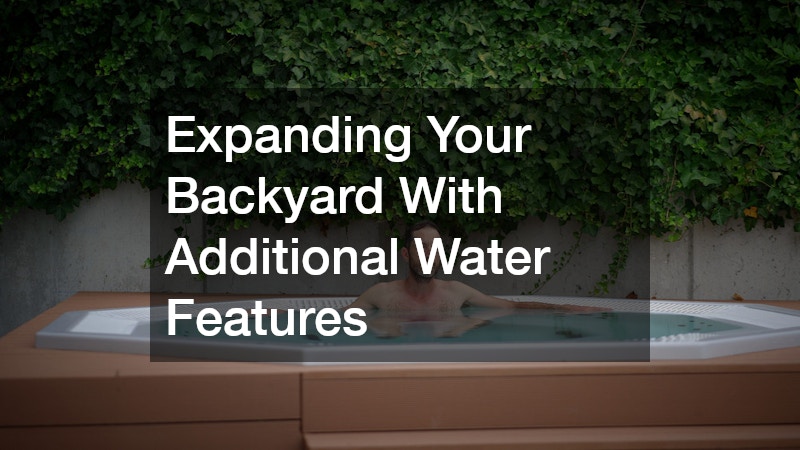
Many homeowners enhance their backyard pool area by adding spa features that provide relaxation and therapeutic benefits. One of the most popular upgrades is hot tub installations, which allow homeowners to enjoy warm, soothing water even during cooler months.
A hot tub placed near the pool creates a cohesive design while providing a space for quiet relaxation. Whether used for stress relief, muscle recovery, or simply unwinding after a long day, spa features can dramatically increase the value and usability of a backyard space.
Integrating spas with existing pool designs
Modern design techniques allow spas to be seamlessly integrated into pool layouts. Some designs position the spa slightly elevated, allowing water to spill gently into the pool below, creating a visually appealing waterfall effect.
These integrated designs make the spa feel like a natural extension of the pool rather than a separate structure.
Considering heating and energy efficiency
Heating systems are an important factor when adding spa features. Energy-efficient heaters and smart controls allow homeowners to adjust water temperature quickly while managing operating costs.
Designing for comfort and privacy
Proper placement of spa features can enhance comfort and privacy. Strategic landscaping, fencing, and seating areas can create a secluded retreat within the backyard.
This thoughtful planning ensures the space feels relaxing and inviting for homeowners and guests alike.
Managing Routine Cleaning and Care
Understanding regular maintenance tasks
Pools require consistent cleaning to maintain clear water and safe swimming conditions. Skimming leaves, vacuuming debris, and checking filtration systems should be part of a regular maintenance routine.
While some homeowners enjoy managing these tasks themselves, others prefer professional assistance.
The role of professional maintenance providers
Many homeowners choose to hire pool cleaning services to handle ongoing care. Professional technicians are trained to monitor water chemistry, inspect equipment, and perform routine cleaning tasks efficiently.
These services can save homeowners time while ensuring the pool remains in excellent condition throughout the swimming season.
Seasonal maintenance considerations
Pools require different types of care depending on the season. In warmer climates, maintenance may continue year-round, while colder regions may require winterization to protect equipment and plumbing.
Professional maintenance providers often offer seasonal service plans that simplify these transitions.
Preventing long-term issues
Regular maintenance helps identify potential problems before they become expensive repairs. Early detection of leaks, equipment wear, or chemical imbalances can prevent significant damage and extend the life of the pool.
Routine inspections are one of the best ways to protect a homeowner’s investment.
Budgeting and Financial Planning

Understanding initial construction costs
Installing a pool involves several different expenses, including excavation, structural materials, plumbing systems, decking, and landscaping. The complexity of the design and the materials selected will heavily influence the overall cost.
Working with experienced pool companies helps homeowners develop a realistic budget and understand which features may increase or reduce the total project cost.
Planning for ongoing expenses
Beyond construction costs, homeowners should consider the long-term financial responsibilities associated with owning a pool. Maintenance, water treatment, electricity for pumps and heaters, and occasional repairs all contribute to ongoing expenses.
Financing options for homeowners
Many contractors and financial institutions offer financing programs for pool construction. These options allow homeowners to spread the cost of installation over time rather than paying for the entire project upfront.
Increasing property value
A well-designed pool can enhance a property’s appeal and may increase its market value in certain regions. Buyers often view a thoughtfully designed backyard pool area as a desirable feature, particularly in warmer climates where outdoor living spaces are heavily used.
Strategic planning helps ensure the investment provides both personal enjoyment and long-term value.
Safety and Compliance Considerations
Following local building codes
Pool construction must comply with local safety regulations and building codes. These rules often govern fencing requirements, drainage systems, electrical installations, and other safety features.
An experienced in ground pool contractor understands these requirements and ensures the project meets all necessary regulations.
Installing protective barriers
Safety barriers such as fences, gates, and pool covers are critical for preventing accidents. These features help protect children, pets, and visitors from entering the pool area unsupervised.
Adding safety equipment
In addition to structural barriers, homeowners should consider installing safety equipment such as pool alarms, rescue hooks, and flotation devices.
Having these items readily available adds an extra layer of protection in case of emergencies.
Teaching responsible pool use
Education is another important aspect of pool safety. Teaching children basic swimming skills and establishing clear pool rules can significantly reduce the risk of accidents.
Responsible supervision and safe practices help ensure the pool remains a place for enjoyment rather than risk.
Planning for Future Upgrades and Improvements
Thinking long term during design
When planning a pool, it is wise to consider potential upgrades that may be added in the future. Features such as lighting systems, water features, or additional seating areas can sometimes be integrated later if the original design allows for expansion.
Forward thinking during the planning stage can make these upgrades easier and more affordable.
Adding technology and automation
Modern pool systems often include automation features that simplify maintenance and operation. Automated pumps, filtration systems, and lighting controls allow homeowners to manage their pool environment with minimal effort.
Enhancing the surrounding outdoor environment
Homeowners may also choose to expand their backyard environment with additional structures such as pergolas, outdoor kitchens, or fire features. These additions turn the pool area into a complete outdoor living space.
A cohesive design approach ensures new features blend seamlessly with the existing pool.
Maintaining the structure over time
Even well-built pools require occasional updates or resurfacing after many years of use. Regular inspections and preventive maintenance can help extend the lifespan of the structure and reduce the likelihood of major repairs.
Taking a proactive approach ensures the pool remains safe, functional, and visually appealing for decades.
Planning a backyard pool is an exciting opportunity to transform an outdoor space into a personal retreat. With thoughtful design and careful decision-making, homeowners can create an environment that encourages relaxation, recreation, and memorable gatherings with family and friends.
However, successful pool ownership begins long before construction starts. Understanding the planning process, evaluating design options, and preparing for long-term care are all essential steps in building a pool that remains enjoyable and functional for many years.