
A home is more than a place to live. It is also a significant financial investment that requires ongoing attention. Daily use, changing weather, aging materials, and overlooked repairs can gradually affect its condition. While some improvements are immediately noticeable, others protect the structure and systems that make a property comfortable and functional. Knowing where to focus time and money can help homeowners prevent unnecessary expenses and maintain their property’s appeal.
Protecting value does not mean remodeling every room or replacing every older feature. A practical approach combines routine maintenance, timely repairs, and carefully selected upgrades. It also considers how improvements work together. A beautiful interior, for example, offers limited benefits if moisture enters through a damaged roof or neglected drainage system. By evaluating both visible features and hidden concerns, homeowners can make decisions that support their needs today and preserve options for the future.
Assessing Your Home’s Current Condition
Effective property care begins with an honest assessment of what needs attention. Walk through the house and examine ceilings, walls, windows, doors, floors, and visible plumbing fixtures. Outside, look for peeling paint, cracked walkways, damaged siding, standing water, and vegetation growing too close to the building. Taking photos and recording observations creates a reference when deciding which projects deserve attention first.
Distinguish between cosmetic problems and conditions that could become costly if ignored. A dated light fixture may not affect comfort, but a small water stain could indicate an active leak. Similarly, worn weatherstripping may seem minor until drafts interfere with heating and cooling. Addressing issues according to urgency helps prevent aesthetic projects from pushing essential repairs aside.
Homeowners can benefit from local home inspections when they want a comprehensive picture of property conditions. An inspector can evaluate accessible components, identify visible concerns, and recommend areas that may need further assessment by qualified specialists. Inspections are particularly useful before major projects because they can reveal problems that change the order or scope of planned work.
Keep maintenance records, inspection findings, warranties, and receipts in one location. Documents help track recurring issues, compare repair estimates, and understand when equipment was installed. They may provide valuable information to future buyers who want to know how the property has been cared for over time.

Maintaining the Roof and Drainage System
The roof and drainage system form an important line of defense against moisture. Loose shingles, deteriorating flashing, and blocked gutters can allow water to reach areas that are difficult to inspect. Even minor leaks may eventually damage insulation, ceilings, framing, and interior finishes. Monitoring these components after severe weather can help homeowners recognize concerns before repairs become more extensive.
Schedule visual checks from the ground and pay attention to missing materials, sagging sections, or unusually heavy debris accumulation. If damage appears likely, residential roofing services can help assess the roof and determine whether a targeted repair or broader work is appropriate. Professionals can also examine flashing around vents, chimneys, and roof transitions, where water intrusion may develop.
Gutters require similar care. Leaves, sediment, and other debris can restrict water flow, causing overflow near siding or the foundation. A gutter company can evaluate drainage patterns, repair loose sections, clear obstructions, and recommend changes where runoff collects near the house. Downspouts should direct water away from vulnerable areas rather than releasing it against the foundation.
Persistent moisture may contribute to damaged paint, wood deterioration, and unwanted water inside the home. Keeping roof coverings and drainage components in working condition helps preserve interior improvements and reduces the likelihood that a small maintenance issue will disrupt other household priorities.
Protecting Plumbing and Climate Systems
Water supply, drainage, heating, and cooling systems influence both household expenses and daily comfort. Problems often begin quietly, making regular observation especially useful. Unexplained increases in water bills, slow drains, inconsistent temperatures, and unusual equipment noises deserve attention rather than automatic dismissal.
Check accessible plumbing connections for moisture, corrosion, or signs of repeated leaks. Know where the main water shutoff valve is located and make sure household members understand when to use it. Residential plumbers can investigate persistent leaks, drainage problems, and aging fixtures before a failure causes damage to cabinets, floors, or walls.
Heating and cooling equipment benefits from seasonal preparation. Replace or clean filters according to manufacturer guidance, keep vents unobstructed, and remove debris from outdoor equipment without disturbing electrical components. For more complex concerns, local AC contractor services can assess system operation, perform maintenance, and discuss repair or replacement choices based on the equipment’s condition. Properly functioning systems can maintain more consistent indoor comfort while reducing avoidable strain.
When planning upgrades, consider how plumbing and climate systems interact with other projects. A kitchen renovation may require adjustments to supply lines, while improved insulation can affect heating and cooling needs. Coordinating work before walls or floors are finished may reduce disruptions and the expense of reopening completed areas.

Preserving Floors and Interior Finishes
Floors, walls, and other interior surfaces experience constant use. Scratches, stains, chipped paint, and damaged trim may not threaten the structure, but widespread wear can make a home feel poorly maintained. Regular cleaning and prompt attention to small defects help retain a polished appearance without requiring frequent, expensive overhauls.
Choose cleaning methods that suit each material. Excess moisture can damage some wood products, abrasive tools may scratch delicate finishes, and unsuitable chemicals can discolor surfaces. Placing mats near entrances, using furniture pads, and controlling indoor humidity can reduce unnecessary wear.
When flooring is beyond routine maintenance, a flooring company can help homeowners compare materials based on durability, upkeep, comfort, and compatibility with the space. The most expensive option is not automatically the most appropriate. Areas exposed to moisture or heavy traffic may require different solutions than bedrooms or formal living spaces.
Existing wood floors may have renovation potential without complete replacement. Depending on their construction and condition, hardwood floor sanding can remove surface imperfections and prepare suitable boards for refinishing. A professional assessment is important because not every floor has enough usable material for repeated sanding. Preserving sound materials where practical can help control costs while maintaining character.
Fresh paint, repaired baseboards, clean grout, and functioning doors also contribute to a cohesive interior. Rather than treating these details as separate problems, combine related tasks into manageable projects that improve the overall impression of each room.
Planning Renovations With Long-Term Value
Major projects deserve careful thought because renovation costs can increase quickly when priorities are unclear. Before selecting finishes, identify the problem the work should solve. Does the kitchen need better storage? Is a bathroom difficult to use? Would a different layout improve movement between rooms? Answering these questions helps separate practical improvements from changes driven primarily by passing trends.
Successful home renovations balance appearance, functionality, and budget. Durable materials, accessible storage, efficient lighting, and thoughtful layouts can make everyday routines easier. Updating one space with an entirely different design language may create unnecessary pressure to remodel adjacent areas.
Establish a realistic budget that includes design work, labor, materials, permits when applicable, and a reserve for unforeseen conditions. Older homes sometimes reveal concealed damage or outdated components after construction begins. A contingency fund creates flexibility without forcing homeowners to abandon essential repairs or choose unsuitable materials midway through the project.
Sequence the work carefully. Repair leaks and correct underlying electrical or plumbing concerns before installing new cabinets, drywall, or flooring. Request detailed estimates, discuss expected disruptions, and clarify which tasks require licensed professionals under local rules. Written project scopes help homeowners compare proposals and reduce misunderstandings.
Value also depends on personal circumstances. A renovation that greatly improves daily life may be worthwhile even if it does not return its full cost at resale. Consider how long you expect to stay, whether the result suits the neighborhood, and how much maintenance the finished space will require.

Improving Landscaping and Outdoor Living Areas
The space around a house influences curb appeal and how comfortably the property can be used. Overgrown plants, uneven paths, and poorly managed runoff may create maintenance concerns, while healthy planting beds and defined activity areas can make outdoor spaces more inviting. Start with improvements that support safe access and proper drainage before investing heavily in decorative features.
Trim vegetation away from siding, rooflines, and outdoor mechanical equipment. Maintain walkways, address trip hazards, and avoid allowing soil or mulch to accumulate against vulnerable building materials. Landscaping services can help develop a manageable plan for grading, plant selection, seasonal care, and erosion control. Choosing plants suited to local conditions may reduce the time and resources needed for upkeep.
Think about how the household actually uses the yard. Some families need a durable play area, while others prefer seating, gardens, or space for outdoor meals.
Patio covers can make an existing outdoor seating area more comfortable by providing shade and some protection from the elements. Before installation, consider placement, drainage, structural requirements, and how the cover will connect visually with the house. Appropriate materials and professional installation can help the feature remain practical over time.
Outdoor improvements should complement the property rather than create new problems. Keep drainage paths open, preserve access for maintenance, and choose features that fit the home’s scale. Well-planned spaces can extend everyday enjoyment while making the exterior easier to manage.
Prioritizing Safety and Preventive Inspections
Safety is closely connected to long-term property care. A home can look attractive while containing issues that interfere with normal use or require urgent attention. Loose stair railings, faulty outlets, damaged steps, and missing smoke alarms are examples of concerns that should take precedence over decorative changes. Routine checks can help keep these problems from remaining unnoticed.
Test smoke and carbon monoxide alarms according to manufacturer instructions and replace batteries or devices when necessary. Check that doors and windows open and close properly, that stairways have adequate lighting, and that frequently used paths remain clear. Households should also review emergency plans, including how to leave the building safely and where to find important shutoff controls.
Some concerns need professional evaluation. Persistent dampness, recurring electrical problems, cracks that appear to be changing, or unusual odors may indicate conditions that require further investigation. Local home inspections can provide a broad review of accessible property features, while specialized contractors can diagnose and repair systems beyond an inspector’s scope.
Safety improvements also support future flexibility. Better lighting, secure handrails, slip-resistant surfaces, and accessible entrances can make the home easier for visitors and household members with changing needs. Addressing these features gradually may be more manageable than waiting until an immediate problem forces a rushed decision.
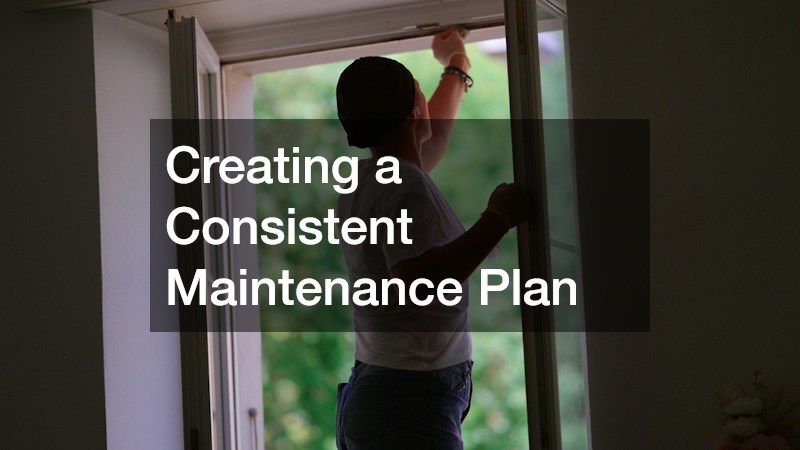
Creating a Consistent Maintenance Plan
Protecting property value is an ongoing process rather than a single renovation. A realistic schedule helps distribute tasks throughout the year and prevents minor concerns from being forgotten. Divide responsibilities into monthly, seasonal, and annual checks based on the home’s features, local climate, and manufacturer recommendations.
Monthly tasks might include checking under sinks, looking for new stains, testing accessible safety devices, and noting unusual sounds from equipment. Seasonal work may involve cleaning gutters, maintaining landscaping, checking exterior seals, and arranging heating or cooling service. Annual reviews provide an opportunity to revisit larger priorities, examine maintenance records, and plan improvements before they become urgent.
Build a dedicated household maintenance fund and adjust contributions according to the property’s age, condition, and upcoming replacement needs. Obtain estimates early for major work rather than relying on rough assumptions. When a repair can safely wait, scheduling it alongside related projects may reduce repeated labor and disruption.
Review your plan after severe weather, changes in household routines, or newly discovered defects. Keep a short list of urgent repairs, preventive tasks, and optional upgrades so spending decisions remain clear. This organization helps homeowners resist the temptation to focus exclusively on visible improvements while essential systems receive too little attention.
A well-maintained home is the result of consistent choices. By addressing problems promptly, improving spaces thoughtfully, and keeping reliable records, homeowners can protect comfort, preserve functionality, and make their property more appealing over time. Those habits support both everyday living and informed decisions whenever it is time to sell.