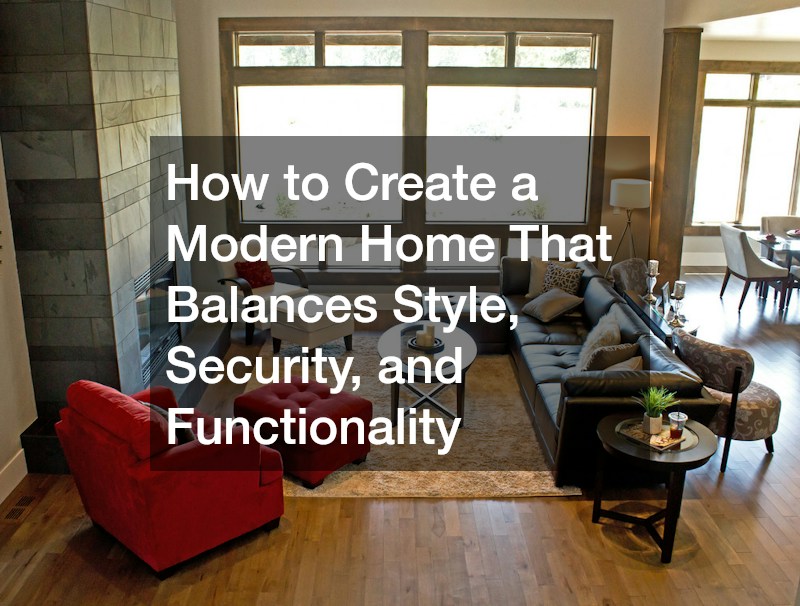
A modern home should do more than look impressive in photographs. It should support everyday routines, create comfortable spaces, protect the people inside, and adapt as household needs change. Achieving that balance requires homeowners to consider design, security, and functionality together rather than treating them as separate projects. Even small decisions, from where a door opens to how sunlight enters a room, can influence the overall experience of living there.
The process begins with identifying what works, what causes frustration, and which improvements will provide lasting value. Some households may be planning a new build, while others are updating an existing property one room at a time. In either situation, the most successful choices reflect the home’s architecture, the occupants’ habits, and a realistic maintenance budget. A coordinated approach can turn individual upgrades into a home that feels intentional, practical, and welcoming.
Start With a Clear Vision and Renovation Plan
Before choosing materials or fixtures, homeowners should define what they want their spaces to accomplish. A family with young children might prioritize durable surfaces, accessible storage, and clear sightlines between shared rooms. Someone working remotely may need sound control, dependable connectivity, and a dedicated area that can remain quiet during business hours. Identifying these priorities helps distinguish essential improvements from features that are simply appealing in a showroom.
A home renovation company can help assess existing conditions and organize potential projects into a workable sequence. For example, electrical updates and structural changes should usually occur before new wall finishes or cabinetry are installed. Reviewing the scope early can also reveal conflicts between design ideas, local building requirements, and available funds. Homeowners should ask for detailed estimates, discuss anticipated disruptions, and understand which decisions must be finalized before construction begins.
Create a visual reference collection, but consider how each idea will translate into the actual space. Materials that look elegant in a large open floor plan may feel overwhelming in a smaller room. Likewise, dramatic lighting can enhance an entryway but may not provide adequate illumination for reading or preparing meals. Aim for a consistent palette, thoughtfully selected textures, and practical fixtures that serve a specific purpose.
A realistic plan should include room for unexpected repairs, particularly in older properties where hidden conditions may emerge. Prioritizing projects according to safety, daily use, and long-term usefulness keeps the renovation focused when tempting extras appear.

Design a Layout That Supports Everyday Life
Functionality begins with how people move between rooms. A beautiful kitchen becomes frustrating when traffic interrupts cooking, while an inviting living room loses appeal if furniture blocks doors or pathways. Modern design works best when circulation feels effortless, storage is easy to reach, and activities can happen without constantly rearranging the space.
Planning a custom home provides the opportunity to address these relationships before walls are built. Homeowners can consider how groceries travel from the garage to the kitchen, whether bedrooms receive adequate privacy, and where coats, shoes, and bags will collect. Flexible rooms are especially useful because a guest bedroom might later become a nursery, office, or hobby area. Designing for more than one purpose can help a property remain useful as circumstances evolve.
Existing homes can benefit from the same thinking without requiring a complete floor plan overhaul. Replacing an oversized island, adding built-in shelving, or shifting a doorway may substantially improve movement. In some cases, opening a wall creates better visibility, but preserving separation can be valuable for controlling noise and maintaining personal space. The right decision depends on how the household actually functions.
Pay attention to transitions between high-activity and quiet areas. Mudrooms, hallways, and entry storage can reduce clutter spreading through shared spaces. Thoughtful furniture placement and layered lighting then reinforce the intended use of each room, allowing attractive interiors to feel comfortable rather than staged.
Choose Doors That Strengthen Style and Access
Doors contribute to architectural character while also affecting privacy, comfort, and security. An entry door makes an immediate impression, but its performance matters just as much as its appearance. Materials, glazing, hardware, weather seals, and frame construction all influence durability and everyday operation. Interior doors deserve similar attention because they separate activities, limit sound transfer, and establish visual continuity.
Homeowners considering custom doors can select proportions, finishes, and details that complement the surrounding architecture. A contemporary entrance might feature clean lines and carefully positioned glass, while interior spaces could benefit from pocket or sliding doors where swing clearance is limited. A consistent hardware finish can connect rooms subtly without forcing every door to look identical.
Professional door installation helps ensure that the frame is properly aligned, the opening is adequately sealed, and the hardware operates as intended. Even an attractive product may perform poorly when gaps allow drafts or moisture into the building envelope. Before ordering, confirm measurements, threshold requirements, and whether the chosen configuration is suitable for the location.
Think carefully about accessibility as well. Lever handles can be easier to operate than traditional knobs, and wider clear openings may make movement simpler when carrying furniture, pushing a stroller, or using mobility equipment. Exterior entrances also benefit from adequate lighting and unobstructed approaches. These practical considerations can be incorporated without compromising a cohesive, modern appearance.

Improve Natural Light and Window Performance
Windows shape the atmosphere of a room, influencing daylight, views, ventilation, and temperature. Large expanses of glass can create a striking contemporary look, but orientation and surrounding shade determine how comfortable those spaces feel throughout the year. Homeowners should assess where glare becomes disruptive, where drafts occur, and whether existing windows open and close smoothly.
When evaluating replacement windows, start with performance as well as style. Frame materials, glazing packages, installation quality, and local climate all affect the outcome. Energy efficient windows may help reduce unwanted heat transfer, especially when older units have deteriorated seals or limited insulation. However, the most appropriate specifications depend on the building and should be evaluated alongside insulation, shading, and ventilation.
A replacement windows contractor can inspect openings, recommend suitable configurations, and explain practical differences among available products. Ask how the proposed windows will manage moisture, whether existing trim can be preserved, and what preparation the installation requires. Discuss options for screens, opening styles, and emergency egress where applicable. Clear expectations make it easier to compare proposals beyond the initial price.
Consider the room’s purpose before enlarging an opening or adding more glass. A bedroom may benefit from greater privacy, while a kitchen often needs balanced task lighting and ventilation. Positioning windows thoughtfully can support comfort without creating avoidable glare, furniture limitations, or excessive solar heat gain.
Use Window Treatments to Balance Privacy and Comfort
Window treatments are often chosen near the end of a remodeling project, yet they influence how each room functions throughout the day. A space with abundant natural light may still need effective glare control for television screens or computer monitors. Bedrooms require privacy and, for many occupants, the ability to darken the room for more restful sleep.
Custom blinds offer flexibility in sizing, material, color, and light control. They can provide a streamlined appearance that complements modern interiors, particularly when the slat style or fabric aligns with surrounding finishes. Depending on the room, homeowners might prefer moisture-resistant materials, cordless controls, or shades that filter light while maintaining some privacy. The best selection supports both design goals and everyday habits.
Accurate measurement is important because poorly fitted treatments can leave uneven gaps or interfere with handles and window movement. Consider how a covering will operate when furniture sits beneath the opening, and whether children or pets could access dangling cords. Cordless and compliant safety designs can address common household concerns without drawing visual attention away from the window itself.
Layering treatments may provide additional flexibility. Sheer coverings can soften intense daylight, while more opaque options offer privacy after dark. Coordinating these choices with flooring, wall colors, and furnishings helps the room feel finished without making every element match exactly.

Build Security Into the Home’s Design
Security should be incorporated into a home’s everyday layout rather than added as an afterthought. Strong door hardware, adequate exterior lighting, visible entrances, and clear pathways can work alongside electronic systems. Landscaping also deserves attention: shrubs should not obstruct critical sightlines or create hidden areas beside frequently used doors and windows.
A local home security company can discuss options such as monitored alarms, door and window sensors, cameras, and smart locks. The right arrangement depends on the property, daily routines, and the level of monitoring occupants want. For some households, remote notifications provide reassurance during travel. Others may prefer simpler controls that visitors and family members can operate without difficulty.
Privacy is equally important when selecting connected devices. Before installation, review how recordings are stored, who can access footage, whether accounts support multifactor authentication, and how updates are managed. Cameras should be positioned thoughtfully, avoiding unnecessary recording of private neighboring spaces. Homeowners can also create clear household expectations about access codes and guest permissions.
Consider practical resilience, too. Battery backups, reliable network coverage, and a plan for power interruptions may affect how useful certain devices are during unexpected events. Good security planning combines sturdy physical features with technology that the household can understand, maintain, and use consistently.
Prioritize Water Quality and Household Convenience
Modern comfort is not limited to visible finishes. The systems supplying water to kitchens, bathrooms, and laundry areas can influence maintenance routines and everyday convenience. Homeowners concerned about taste, odor, sediment, or specific contaminants should begin by identifying what is actually present in their water rather than assuming one product can address every issue.
Water testing and a review of the existing supply can help establish priorities. Municipal water users can consult available quality reports, while households with private wells may need periodic testing tailored to local conditions. The appropriate treatment depends on the results, because filtration technologies are designed to address different substances and performance requirements.
Whole home water filtration installers can explain where a system would connect to the plumbing, what flow rate the household needs, and how filter changes will affect ongoing costs. Ask about the space needed for equipment, maintenance access, pressure considerations, and whether separate drinking water treatment would be beneficial. A well-planned installation should allow routine servicing without disrupting storage or access to other utilities.
Homeowners should also compare warranty terms, replacement filter availability, and the system’s documented capabilities. Selecting equipment for demonstrated water conditions helps avoid unnecessary expenses. Concealing the treatment components within an accessible utility area can preserve the clean appearance of a renovated home while keeping maintenance straightforward.

Bring Every Upgrade Together With Practical Details
The finishing stage is where separate projects begin to feel like one coherent home. Consistency does not mean repeating the same colors, fixtures, and materials everywhere. Instead, choose a limited group of complementary finishes and use them intentionally. Warm wood tones, durable counters, restrained hardware, and layered lighting can connect different spaces while allowing each room to maintain its own personality.
Think about long-term upkeep before committing to a design element. Highly reflective surfaces may show fingerprints, intricate fixtures can be difficult to clean, and delicate finishes may struggle in busy households. Durable flooring, accessible storage, and easy-to-service equipment often contribute more to daily satisfaction than features chosen only for appearance. A successful modern home feels manageable on an ordinary weekday, not just during special occasions.
Technology should simplify routines rather than introduce constant troubleshooting. Group smart controls logically, maintain clear instructions for household members, and avoid depending on a single app for essential functions. Consider whether devices will remain useful if internet service is unavailable. Thoughtful placement of outlets, charging areas, and network equipment can also prevent cords and accessories from interrupting otherwise clean interiors.
Finally, review completed improvements as a connected system. Window treatments should complement glazing choices, door hardware should support security goals, and storage should match the way rooms are used. Evaluate remaining priorities against the original budget and living patterns before planning the next phase. By focusing on how every element works together from the beginning, homeowners can create spaces that are attractive, secure, and genuinely easier to live in.