
When an appraiser walks through your home, every room tells a story about how well it has been cared for, and that story directly affects the number on your appraisal report. Small maintenance issues that seem minor to homeowners can signal deferred upkeep to a trained eye, quietly chipping away at your home’s value. The good news is that a consistent maintenance routine can protect and even boost your appraisal, whether you are preparing to sell, refinance, or simply want to safeguard your investment. This checklist walks through the systems and spaces that matter most, so you know exactly where to focus your time and money.
Inspect the Roof and Gutters Every Spring and Fall

Your roof is one of the first things an appraiser notices, both from the curb and up close during inspection. Missing shingles, sagging areas, or visible water stains on the ceiling below can lower your home’s assessed condition rating significantly. A biannual inspection catches small problems, like a lifted shingle or clogged gutter, before they turn into structural damage that costs thousands to repair.
Gutters that are packed with debris can send water pouring down your foundation instead of away from it, leading to cracks and moisture problems that appraisers flag immediately. Clearing them twice a year protects both your roof and your foundation from unnecessary wear.
- Check for curling, cracked, or missing shingles after major storms
- Clear gutters and downspouts of leaves and debris each season
- Look for daylight through the attic roof boards, a sign of gaps or rot
- Confirm downspouts direct water at least five feet away from the foundation
Schedule Routine Electrical System Safety Checks
Outdated or unsafe wiring is a red flag that can cause an appraiser to note necessary repairs, which in turn lowers your valuation until the work is done. Homes older than 30 years often still have knob-and-tube wiring or insufficient panel capacity for modern appliances. Bringing in licensed electrician services for a periodic safety inspection ensures your panel, outlets, and wiring meet current standards and reduces fire risk at the same time.
Beyond safety, updated electrical systems are also a selling point that appraisers and buyers both notice. A home with a modern panel, properly grounded outlets, and code-compliant wiring signals that the property has been maintained proactively rather than patched together over the years.
- Test GFCI outlets in kitchens, bathrooms, and garages every few months
- Watch for flickering lights or warm outlet covers, both signs of wiring issues
- Have your panel evaluate if your home is over 25 years old
- Replace any exposed or frayed wiring immediately
Keep Plumbing Systems Leak Free and Up to Code

Water damage is one of the most costly issues an appraiser can find, and it often starts with a small leak that goes unnoticed for months. Routine attention to pipes, water heaters, and fixtures prevents the kind of hidden damage that tanks a home’s value overnight. Scheduling a professional plumbing service to inspect supply lines, shutoff valves, and drainage once a year is a small investment that avoids much larger repair bills later.
Slow drains, water pressure changes, or a water heater nearing the end of its lifespan are all things worth addressing before they become emergencies. An appraiser who sees a recently serviced water heater and updated fixtures will view the home’s mechanical systems more favorably than one with visible corrosion or old galvanized pipes.
- Check under sinks monthly for moisture, mold, or mineral buildup
- Replace supply hoses on washing machines and dishwashers every five years
- Flush your water heater annually to remove sediment buildup
- Note the age of your water heater, since most last 8 to 12 years
Maintain Proper Insulation and Attic Ventilation
Appraisers increasingly factor energy efficiency into their overall condition assessment, and insulation plays a bigger role in that than most homeowners realize. Poor home insulation can lead to ice dams, uneven indoor temperatures, and higher utility bills, all of which are things a buyer or appraiser may ask about directly. Adding or upgrading insulation in the attic and around exterior walls is one of the more affordable improvements that pays off in both comfort and resale value.
Proper attic ventilation works hand in hand with insulation to prevent moisture buildup that can rot the roof decking from the inside out. Homeowners should check that soffit vents are not blocked and that the attic has a balanced intake and exhaust airflow system.
- Aim for at least R-38 insulation in attics in most climate zones
- Look for even snow melt on the roof in winter as a sign of insulation gaps
- Seal air leaks around recessed lighting, attic hatches, and duct penetrations
- Consider blown-in insulation for older homes with settled or thin coverage
Refresh Kitchen Surfaces Without a Full Remodel

The kitchen carries significant weight in any appraisal, and outdated surfaces or worn cabinet fronts can drag down an otherwise well-maintained home. Replacing dated laminate with granite countertops or quartz countertops is one of the most reliable ways to modernize a kitchen without committing to a full renovation. Both materials are durable, resist staining, and are widely recognized by appraisers as upgrades that hold value over time.
If a full replacement is not in the budget, simply refinishing cabinet fronts or updating hardware can still make a noticeable difference. What matters most is that granite countertops or quartz countertops appear well-maintained, free of cracks, chips, or heat damage, since these details are exactly what an appraiser documents in their notes.
- Replace chipped or heavily stained surfaces before a scheduled appraisal
- Choose neutral stone tones that appeal to a broad range of buyers
- Reseal natural stone surfaces annually to prevent etching and staining
- Update outdated faucet fixtures for a quick, affordable refresh
Update Cabinetry to Improve Storage and First Impressions
Cabinets that are swollen, misaligned, or missing hardware make an entire kitchen or bathroom look neglected, even if the rest of the space is in good shape. Replacing cabinet doors or entire cabinet boxes does not have to mean paying custom prices, since many homeowners find that ordering through a wholesale cabinet company delivers the same quality at a fraction of the cost. This approach is especially useful for homeowners tackling a broader home remodeling project on a defined budget.
Beyond appearance, functional storage is something appraisers note when comparing your home to similar listings in the neighborhood. Well-organized, sturdy cabinetry in kitchens, bathrooms, and laundry rooms signals that the home has been thoughtfully updated rather than left to age without attention.
- Tighten hinges and replace worn soft-close mechanisms
- Consider cabinet refacing as a budget-friendly alternative to full replacement
- Match cabinet finishes throughout the home for a cohesive look
- Add pull-out shelving or drawer organizers to boost functional storage
Apply Fresh Paint Inside and Outside on a Predictable Schedule
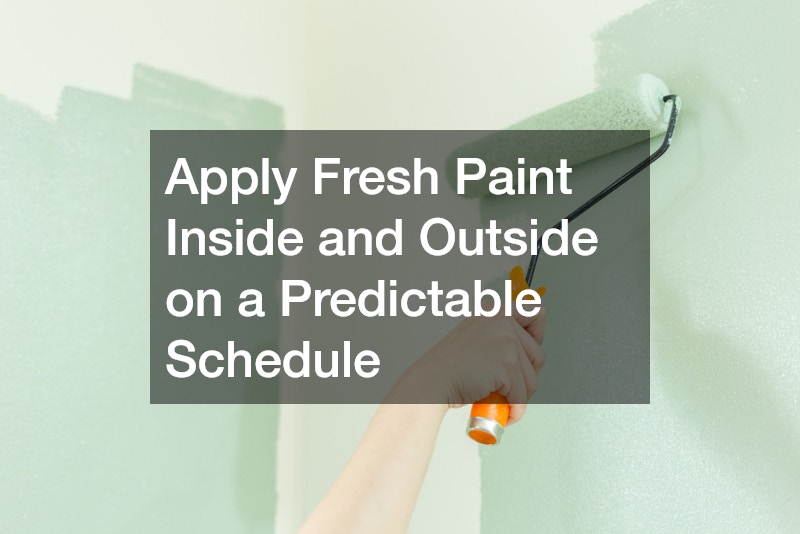
Paint is one of the most cost-effective ways to improve how a home presents during an appraisal walkthrough, and it also protects the underlying materials from moisture and sun damage. Exterior paint that is peeling or faded can suggest neglect, while a fresh coat signals ongoing care, even if other updates are still on the to-do list. Appraisers often note “deferred maintenance” as a line item that can shave value off an otherwise solid home, and chipped or chalky paint is one of the most visible triggers for that label.
Interior paint matters too, though on a different timeline. A neutral, well-maintained interior every three to five years helps rooms photograph well and feel move-in ready, which supports both appraised value and buyer perception if you ever sell. Scuffed walls, yellowed trim, or outdated color choices can make a home feel dated even when the structure itself is sound.
Many homeowners choose to hire a painting company every five to seven years for exterior work, since proper prep and quality materials extend the life of the job significantly. A reputable painting company will typically pressure wash, scrape, sand, and prime before applying paint, steps that DIY jobs sometimes skip and that determine whether the finish lasts closer to five years or closer to ten. Climate plays a role as well: homes in humid or coastal areas may need repainting sooner due to mildew and salt exposure, while drier climates can sometimes stretch the interval a bit longer.
Exterior paint isn’t just about curb appeal; it’s a protective barrier against moisture, pests, and structural decay. Most professionals recommend repainting the exterior every 5 to 7 years, though homes with wood siding may need attention closer to the 4-year mark. Peeling, chalking, or cracked paint signals to appraisers that other maintenance items may have been neglected, too.
Interior paint matters just as much, particularly in high-traffic areas like hallways, kitchens, and living rooms, where scuffs and marks accumulate over time. A good rule of thumb is to refresh interior walls every 3 to 5 years, or sooner in homes with kids, pets, or heavy foot traffic. Bathrooms and kitchens, where humidity and grease buildup are common, often benefit from a more durable semi-gloss or satin finish rather than flat paint, and pairing that fresh paint with clean, well-maintained kitchen counters goes a long way toward making the whole room feel updated.
Neutral, updated colors, think soft grays, warm whites, and greiges, help a home appear larger, brighter, and more move-in ready. These tones also photograph better for listings and appraisal documentation, and they make it easier for buyers to visualize their own furniture in the space. Bold or highly personalized color choices, while appealing to some, can actually work against you by making rooms feel smaller or dated, potentially chipping away at that stronger appraisal impression.
- Repaint exterior trim and siding every 5 to 7 years, but shorten that to 3 to 4 years in harsh climates with intense sun, humidity, or freeze-thaw cycles
- Touch up interior walls annually in high-traffic areas like hallways, entryways, and kids’ rooms, focusing on scuffs and scratches near doors and light switches
- Choose light, neutral tones (soft grays, warm whites, beiges) for the broadest buyer appeal, saving bold colors for accent walls that are easy to repaint
- Address peeling, bubbling, or cracking paint immediately, since it often signals moisture intrusion, poor ventilation, or a failing caulk seal
- Inspect caulking around windows, doors, and trim every 1 to 2 years and reseal before repainting to prevent water damage
- Keep a record of paint colors, brands, and finish types used in each room to simplify future touch-ups and maintain a consistent look
Bring in a Professional Before Listing or Refinancing
Before any major appraisal event, it is worth walking through your home the way a home appraiser would, room by room, noting anything that looks unfinished or worn. Many homeowners find it helpful to get a pre-listing consultation or a walkthrough with a contractor to catch issues they have grown used to overlooking. This kind of proactive review often reveals quick fixes that are far cheaper to address before the official appraisal than after a low valuation comes back.
Documentation also matters more than most people expect. Keeping receipts, warranties, and before-and-after photos of major repairs or upgrades gives the appraiser concrete evidence of maintenance, which can support a higher valuation than a home with no paper trail at all.
- Walk through your home with a critical buyer’s perspective
- Keep a folder of receipts and warranties for major repairs and updates
- Photograph completed projects for your records
- Address obvious cosmetic issues before scheduling an appraisal appointment
Maximize Your Home’s Value: Start Your Maintenance Checklist Today!
Protecting your home’s appraisal value is not about one big renovation, but about consistent attention to the systems and surfaces that matter most over time. By working through this checklist on a seasonal or annual basis, you build a paper trail of care that appraisers, buyers, and lenders all recognize. Start with the highest impact areas, like the roof, electrical system, and kitchen, then work outward to cosmetic details as your budget allows. A little consistent maintenance now can mean a noticeably stronger appraisal whenever you need it most.