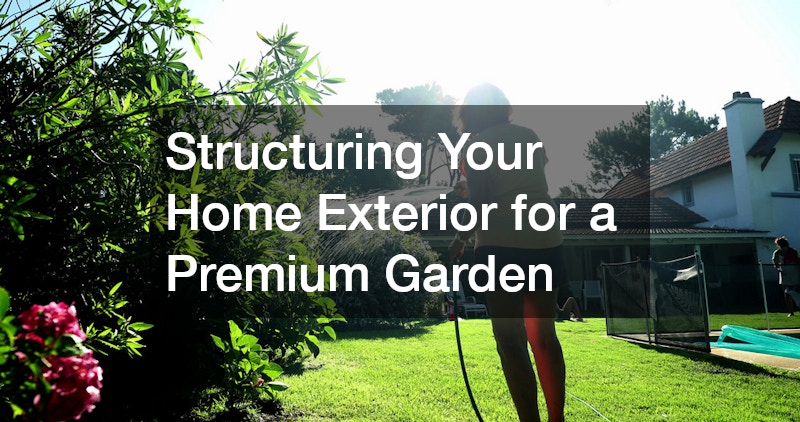
A premium garden is far more than a collection of beautiful plants; it is a seamless extension of your living space. When executed correctly, your home exterior and your landscape interact in a way that feels both organic and deeply intentional. Moving beyond basic curb appeal requires shifting your perspective from simple gardening to comprehensive outdoor structuring. The most breathtaking residential estates achieve their look because someone took the time to balance architectural lines with living, breathing ecosystems.
The primary challenge homeowners face when chasing this high-end aesthetic is failing to build a proper foundation. It is incredibly common to spend thousands of dollars on exotic flora and specimen trees, only to watch them struggle due to poor soil retention, improper watering, or lack of structural protection. A truly luxury garden requires an upfront investment in the bones of your property. This means analyzing how water moves across your land, establishing clean architectural boundaries, and installing the hidden infrastructure that keeps plants thriving year after year. By taking a structured, step-by-step approach to your exterior layout, you can create a resilient, high-end landscape that elevates your property value and provides a sanctuary for decades to come.
Establishing the Structural Blueprint and Soil Foundation
Before you ever visit a nursery or select your plant palette, you must establish the physical framework of your yard. High-end landscape design focuses heavily on the interplay between hardscapes and softscapes. Hardscaping refers to the non-living elements of your yard, such as walkways, patios, and structural supports, which provide the visual anchors for your plants. Without these crisp, clean lines, even the most expensive flowers can look cluttered and disorganized.
To create an exterior that feels both expansive and cohesive, you must master the art of zoning. Think of your outdoor space as an open-concept floor plan. You need designated transition zones, clear sightlines from your home’s primary windows, and distinct focal points that draw the eye through the space.
- Establish Visual Balance: Always aim for a harmonious ratio between your hard surfaces and planting beds. Too much concrete feels sterile, while too much unstructured greenery feels chaotic.
- Frame Your Internal Views: Stand inside your living room, kitchen, and primary bedroom. Design your external walkways and major plant groupings so they frame beautiful, picture-perfect views through your windows.
- Create Architectural Pathways: Use premium materials like bluestone, oversized pavers, or natural flagstone to build wide, welcoming paths that dictate how people move through and experience your outdoor environment.
Once your overarching layout is established, you must look closely at the topography of your land. Slope and elevation changes can pose massive challenges for a premium garden, leading to washed-out soil, uneven nutrient distribution, and water pooling where it shouldn’t. If your property features rolling hills or steep declines, terracing is an excellent way to turn a logistical headache into a stunning design feature.
Building multi-level planting beds gives your garden an immediate sense of maturity and luxury. To hold back massive amounts of earth and create these flat, highly productive planting tiers, relying on durable construction materials is non-negotiable. Implementing concrete retaining walls allows you to safely carve out flat, usable garden beds on uneven terrain while simultaneously adding crisp, modern lines that complement your home’s foundation. These structures prevent soil erosion during heavy rains, ensuring that your expensive topsoil and delicate root systems stay exactly where you put them. When faced with steep elevation changes, proper terracing transforms unusable slopes into dramatic, cascading vertical gardens.
Building the Infrastructure for Growth and Vitality

With the physical shape of your garden established, your next phase focuses on the hidden systems that sustain life. The difference between an average yard and a luxury estate often lies beneath the surface. Premium plants, especially rare cultivars or mature specimens, have incredibly specific hydration and nutrient requirements that cannot be met with a garden hose and a plastic sprinkler attachment.
Manual watering is highly inefficient; it leads to shallow root growth, water evaporation, and uneven moisture levels that leave plants vulnerable to disease. A high-end garden demands a systematic approach to hydration that takes the guesswork out of plant care.
- Implement Hydrozoning: Group your plants according to their specific water requirements. Place drought-tolerant species together in sunny zones, and keep moisture-loving plants clustered in shaded, lower-lying areas.
- Utilize Drip Technology: For delicate flower beds and premium shrubbery, rely on subsurface drip lines that deliver moisture directly to the root zone, minimizing evaporation and fungal growth on foliage.
- Incorporate Smart Automation: Modern outdoor layouts benefit immensely from a dedicated residential garden irrigation system equipped with weather sensors. These systems monitor local rainfall and soil moisture levels in real-time, automatically adjusting watering schedules to prevent overwatering or drought stress.
After establishing a precise subsurface watering system, you must turn your attention to protecting the surface layer of your soil. Unprotected earth dries out rapidly under the summer sun, develops hard crusts that repel water, and invites aggressive weeds to take root. To lock in the moisture delivered by your irrigation system, you need a high-quality organic blanket across all your planting beds.
A thick layer of clean, uniform ground cover acts as an insulation blanket for your soil. It keeps root systems cool during scorching summer days, prevents frost heaving during winter freezes, and slowly breaks down over time to feed beneficial soil microbes. When covering large expanses of custom-shaped garden beds, sourcing a premium mulch supply in bulk ensures that your exterior maintains a consistent, polished color tone. Opting for natural, undyed dark brown or black organic matter provides a striking, high-contrast backdrop that makes the vibrant greens and bright blooms of your premium plants visually pop.
Defining Boundaries and Enhancing Security

A premium outdoor space should feel like a private sanctuary, a secluded world away from the hustle of the outside environment. To achieve this, your exterior structure must include clean, definitive boundaries that offer both privacy and protection. Vertical elements, such as privacy screens, structures, and perimeter borders, do more than just block the wind; they serve as the ultimate backdrop for your botanical collection.
When choosing materials for your perimeter, it is vital to select options that mirror the architectural style and quality of your home. Cheap, poorly installed barriers can instantly downgrade the appearance of an otherwise magnificent landscape.
- Match Architectural Accents: If your home features modern, clean lines, look for horizontal slatted wood or sleek composite materials. For traditional estates, classic wrought iron or heavy-timber options may be more appropriate.
- Create Layered Privacy: Avoid relying solely on a solid wall of wood. Use a combination of structural barriers and green screens, planting tall, columnar evergreens alongside your perimeter to soften the hard edges.
- Ensure Proper Alignment: Always verify your exact property lines and local zoning codes regarding height limitations before beginning construction to avoid costly structural adjustments down the road.
To ensure that your perimeter boundaries are perfectly level, properly anchored below the frost line, and built to withstand decades of weathering, it is wise to partner with certified fence contractors. Professional installation guarantees that your perimeter remains structurally sound, providing a clean, unyielding frame for your gardens while securing your property against unwanted foot traffic.
However, perimeter security isn’t just about keeping human eyes out; it is also about protecting your valuable plant investment from local wildlife. Deer, rabbits, raccoons, and groundhogs view a premium garden as an all-you-can-eat buffet. A single night of foraging by local wildlife can destroy years of careful plant cultivation and ruin expensive hardscape elements.
While physical fencing helps deter many larger animals, some persistent critters manage to dig underneath or find gaps in your exterior structures. When local fauna establishes nests beneath your low-profile decks, sheds, or within your retaining walls, they can cause serious structural shifts and undermine root networks. In these instances, calling in a professional wildlife removal service is the safest and most humane way to capture and relocate these animals, ensuring your outdoor oasis remains undisturbed and intact.
Protecting the Ecosystem and Plant Health
As your garden matures, it becomes its own living, breathing ecosystem. Just as you protect your home’s interior from wear and tear, you must actively shield your outdoor living spaces from biological threats. A premium garden requires a proactive, defensive strategy against destructive insects and plant diseases before they have a chance to manifest into visible damage.
Integrated Pest Management is the gold standard for high-end landscapes. Rather than spraying harsh, non-selective chemicals that wipe out every living thing in your yard, a sophisticated maintenance routine focuses on targeted interventions and creating a naturally resilient environment.
- Promote Air Circulation: Space your premium shrubs and perennials properly during the planting phase to allow wind to pass freely through the foliage, reducing the humidity that fuels fungal diseases.
- Monitor Indicator Plants: Keep a close eye on highly sensitive plant species that show signs of stress early, acting as an early warning system for the rest of your garden.
- Encourage Beneficial Predators: Introduce and protect natural predators like ladybugs, lacewings, and predatory mites that hunt down destructive aphids and thrips naturally.
Even with flawless cultural practices, sudden outbreaks of aggressive, non-native pests can occur, threatening to defoliate prize specimens or spread viral infections across your entire collection. Establishing a seasonal inspection schedule with a reputable pest control firm allows you to identify hidden infestations early, applying precise, localized treatments that eradicate threats while preserving the health of your soil food web.
While keeping destructive insects at bay is vital, you must carefully balance these defensive actions with a welcoming strategy for beneficial pollinators. A truly premium landscape vibrates with life, relying on bees, butterflies, and birds to pollinate fruit-bearing trees, stimulate thick flower production, and maintain a healthy ecological equilibrium.
The goal is to invite these essential workers into your yard while keeping your family safe from potential stings in outdoor dining or lounging areas. If social insects establish massive, aggressive colonies too close to your patios, walkways, or home entryways, it creates a genuine safety hazard. Instead of relying on broad-spectrum extermination that damages the local ecosystem, utilizing specialized bee control techniques allows for the safe management or live relocation of hives, ensuring that your outdoor living spaces remain safe for entertainment without harming the broader pollinator population.
Managing the Canopy for Light and Safety

The final dimension of structuring a premium home exterior involves looking up. The canopy of mature trees on your property serves as the ceiling of your outdoor room. It dictates how much sunlight reaches your lawn and understory planting beds, creates natural shade structures that lower ambient temperatures during the summer, and adds an undeniable sense of prestige and history to your estate.
However, an unmanaged canopy can quickly choke out the rest of your landscape. Dense, overgrown tree branches block crucial sunlight, preventing premium turf and lower-tier ornamental shrubs from performing photosynthesis.
- Practice Crown Thinning: Selectively remove secondary branches from the interior of a tree’s canopy to let dappled sunlight filter down to the delicate perennials planted below.
- Elevate Low-Hanging Limbs: Prune away lower branches that obstruct pedestrian pathways, block architectural views of your home, or cast deep, permanent shadows over sun-loving flower beds.
- Remove Deadwood Early: Routinely inspect large limbs for signs of decay, bark peeling, or lack of foliage, removing them before they break naturally and damage the underlying landscape.
Because working with massive vertical growth carries significant personal safety and property damage risks, these tasks should never be a weekend DIY project. Engaging professional tree trimming services ensures that your mature trees are pruned using precise, clean cuts that promote rapid healing, structural balance, and optimal light penetration for your entire garden layout.
Despite your best efforts to maintain a healthy canopy, nature can be unpredictable. High winds, severe summer thunderstorms, and heavy ice accumulation during the winter months put immense physical stress on even the healthiest mature trees. Structural flaws that are invisible from the ground can cause massive limbs, or even entire trees, to come crashing down without warning.
When a major environmental storm impacts your property, the damage to your exterior can be devastating. A single falling trunk can crush custom stone walkways, destroy premium irrigation loops, and obliterate decades of careful plant growth. In the immediate aftermath of a severe weather event, having a trusted contact for emergency tree removal services is essential to safely clear heavy debris, prevent further structural damage to your home or hardscaping, and allow you to quickly begin the process of restoring and repairing your premium garden infrastructure.
Structuring your home exterior for a premium garden is a multi-layered journey that blends architectural design with environmental science. By shifting your focus toward building a robust foundation—ranging from proper earth stabilization and smart automated watering systems to secure boundaries and proactive canopy management—you create an environment where luxury flora can truly flourish. When you treat your exterior layout with the same care, planning, and structural integrity as your home’s interior, your landscape transforms from a simple yard into a timeless, living masterpiece that grows more beautiful and valuable with each passing season.