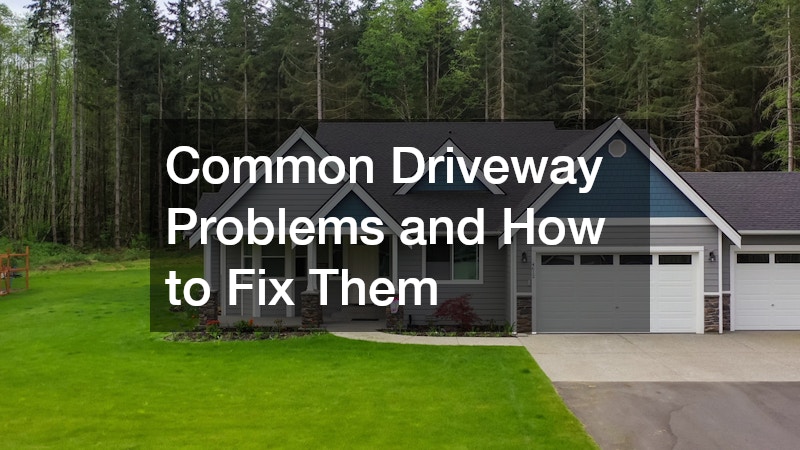
Understanding Why Driveway Problems Develop Over Time
A driveway is one of the hardest-working surfaces on any property. Every day, it supports the weight of vehicles, endures changing weather conditions, and faces constant exposure to moisture, sunlight, dirt, and debris. Because of this continual wear and tear, even a well-built driveway can eventually develop problems that affect its appearance, safety, and performance.
Many homeowners ignore small issues when they first appear. A tiny crack may seem harmless, and a small puddle after a rainstorm may not appear to be a major concern. However, these seemingly minor problems often worsen over time. Water can penetrate cracks, freeze and expand during cold weather, and weaken the surface from below. Poor drainage can gradually erode the foundation beneath the driveway, while neglected surface damage can spread across larger areas.
The good news is that most driveway issues can be addressed effectively when caught early. Understanding the most common problems and their solutions can help homeowners protect their investment, improve curb appeal, and avoid costly repairs. Whether your driveway is made of asphalt, concrete, or gravel, knowing what to watch for and how to respond can significantly extend its lifespan.
Catch Small Problems Before They Become Expensive Repairs
One of the most effective ways to prevent major driveway damage is to conduct regular inspections. Small issues rarely stay small for long, especially when exposed to weather and vehicle traffic. Early detection allows homeowners to address concerns before they require extensive repairs or replacement.
Most driveways display warning signs long before serious deterioration occurs. Small surface cracks, slight depressions, standing water, crumbling edges, and discoloration often indicate that the surface is beginning to weaken. These signs may not immediately affect functionality, but they often point to underlying issues that should not be ignored.
Different types of driveways experience wear differently. Asphalt surfaces may begin showing fine cracks and fading, while concrete surfaces may develop hairline fractures or minor surface scaling. Gravel surfaces can experience shifting materials and erosion. Understanding how your specific driveway material behaves over time can help you identify problems sooner.
Seasonal inspections are particularly valuable. Walking the driveway in the spring and fall allows homeowners to assess damage caused by freezing temperatures, heavy rainfall, and summer heat. Taking photos during inspections can help track changes over time and determine whether a problem is stable or actively worsening.
By paying attention to small warning signs, homeowners can often avoid major repairs and significantly extend the useful life of their driveway.
Stop Cracks Before Moisture Causes Structural Damage
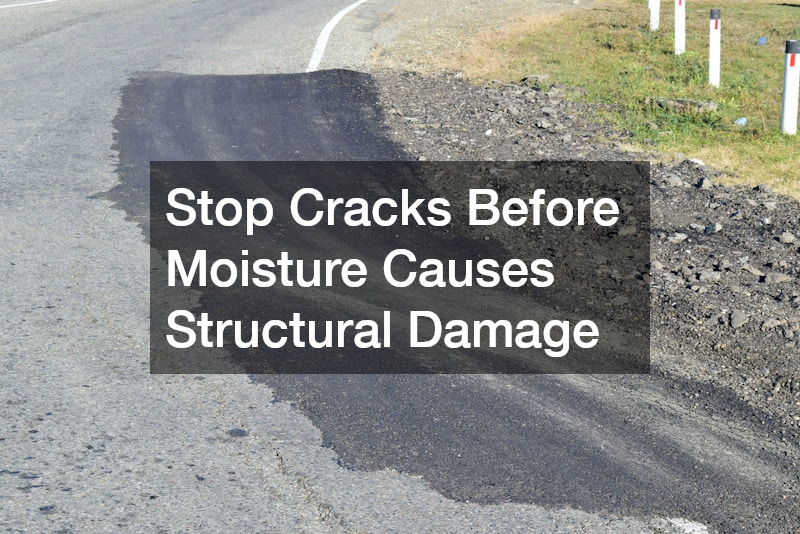
Cracks are among the most common driveway problems, and they should never be ignored. While some small cracks may appear harmless initially, they create pathways for moisture to enter the underlying structure.
When water seeps beneath the surface, it can weaken the foundation and accelerate deterioration. During freezing temperatures, trapped moisture expands, making existing cracks wider and deeper. Over time, this process can transform minor damage into significant structural problems.
An experienced paving service can evaluate the severity of cracking and recommend the most appropriate repair method. Hairline cracks may only require sealing, while larger cracks may need patching or more extensive restoration.
Cracking is especially common in an asphalt driveway because asphalt naturally expands and contracts as temperatures fluctuate. Sun exposure, oxidation, and heavy vehicle traffic can also contribute to surface deterioration.
Prompt crack sealing is one of the most cost-effective maintenance steps homeowners can take. Sealing prevents water infiltration, reduces further expansion, and helps preserve the integrity of the driveway’s foundation. Waiting too long often leads to more extensive repairs and higher costs.
Regular inspections and timely crack repairs can dramatically slow the deterioration process and help maintain a smooth, attractive surface for years.
Correct Drainage Issues Before They Affect the Foundation
Water is often the hidden cause behind many driveway problems. When drainage is inadequate, moisture can gradually weaken the soil beneath the surface, leading to settlement, cracking, and erosion.
Low spots that collect water after rainfall should never be ignored. Standing water places continuous stress on driveway materials and often signals an underlying drainage issue. If water remains on the surface for extended periods, deterioration can accelerate significantly.
In many cases, a professional land grading service can correct drainage problems by adjusting the slope of the surrounding landscape. Proper grading ensures that water flows away from the driveway instead of pooling on or around it.
Poor drainage can affect more than just the driveway itself. Excess moisture may also impact nearby walkways, retaining walls, landscaping, and even building foundations. Addressing drainage concerns early helps protect the entire property.
Homeowners should pay particular attention to areas where water consistently collects after storms. These locations often indicate improper grading or drainage deficiencies that require professional attention.
Correcting drainage issues before visible damage occurs can prevent extensive repairs and help preserve the structural integrity of the driveway for many years.
Manage Water Runoff to Prevent Erosion and Surface Failure
Proper water management is one of the most important aspects of driveway maintenance. Even a well-constructed surface can experience premature deterioration if runoff is not properly controlled.
A qualified driveway contractor can evaluate drainage patterns and identify areas where water may be causing problems. This assessment often includes examining slopes, surrounding landscaping, downspout discharge locations, and soil conditions.
Water runoff problems commonly appear as erosion along driveway edges, washed-out areas, sediment accumulation, or recurring puddles. During winter months, poor drainage can also contribute to dangerous ice formation.
When runoff is not directed away effectively, moisture may infiltrate beneath the surface and compromise the supporting base materials. As the foundation weakens, cracking, settlement, and uneven surfaces often follow.
Homeowners can improve drainage by ensuring gutters and downspouts direct water away from the driveway. Keeping nearby drainage channels clear and maintaining proper grading around the property can also help reduce water-related damage.
A proactive approach to drainage management can dramatically extend driveway lifespan while minimizing future repair costs.
Prevent Surface Breakdown Before Potholes Form
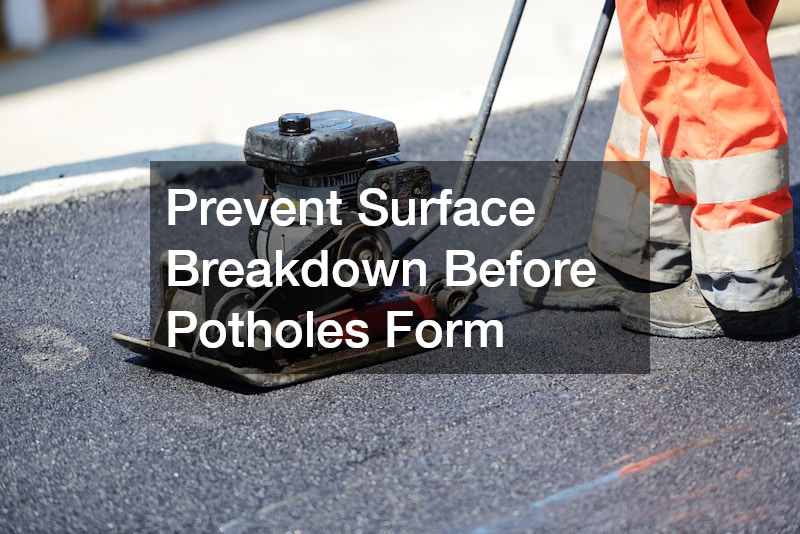
Surface deterioration often develops gradually. What begins as slight fading or roughness can eventually evolve into significant damage if maintenance is neglected.
An aging asphalt driveway may begin to show signs of oxidation as exposure to sunlight gradually breaks down surface oils. As the material becomes brittle, it becomes more susceptible to cracking, moisture penetration, and surface disintegration.
An experienced asphalt contractor can evaluate the condition of the surface and determine whether sealcoating, patching, resurfacing, or more extensive repairs are necessary. Early intervention often prevents minor deterioration from progressing into potholes and structural failures.
Potholes typically develop when moisture infiltrates beneath the surface and weakens the supporting base. Vehicle traffic then accelerates the breakdown process, causing sections of pavement to collapse.
Regular sealcoating helps protect asphalt surfaces from ultraviolet exposure, moisture intrusion, and oxidation. While sealcoating does not eliminate all deterioration, it provides an important layer of protection that can extend the life of the driveway.
Addressing surface wear before potholes develop is generally far less expensive than performing major repairs after significant damage has occurred.
Repair Surface Cracks and Joint Problems Before They Worsen
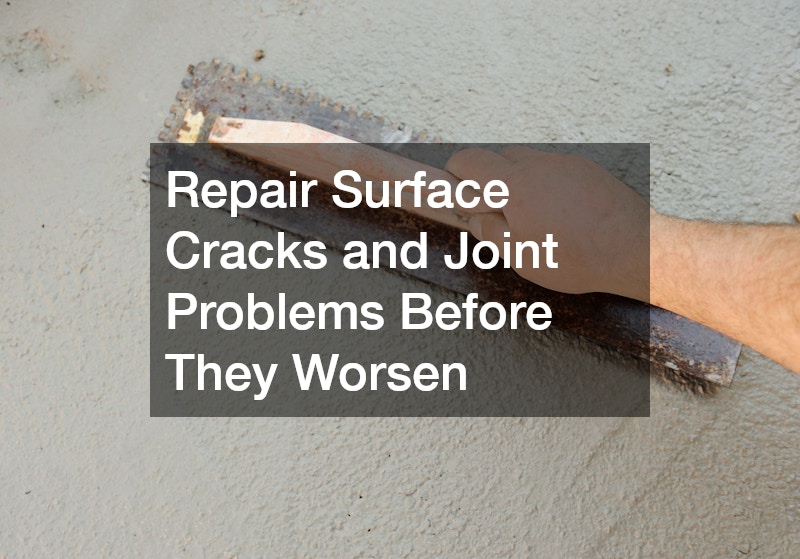
Concrete surfaces offer exceptional durability, but they are not immune to damage. Over time, environmental conditions and ground movement can create cracks, joint failures, and surface defects.
A concrete driveway often develops small cracks as the material expands and contracts with changing temperatures. While some minor cracking is normal, larger cracks may indicate underlying structural issues that require attention.
An experienced concrete company can determine whether cracks are cosmetic or structural. This distinction is important because repair strategies vary depending on the severity and cause of the damage.
Joint deterioration is another common issue. Expansion joints help accommodate natural movement within the concrete. When these joints deteriorate, water can penetrate beneath the surface and contribute to further damage.
Proper maintenance includes sealing cracks and joints before moisture infiltration occurs. Keeping the surface clean and addressing minor issues promptly helps preserve both appearance and functionality.
While concrete is highly durable, neglecting small problems often leads to larger repairs that could have been avoided through routine maintenance and timely intervention.
Refresh Aging Surfaces Without Full Reconstruction
Not every worn driveway requires complete replacement. In many cases, the underlying structure remains sound even though the surface appearance has deteriorated.
Discoloration, light cracking, minor scaling, and surface imperfections can make an otherwise functional driveway appear old and neglected. Fortunately, these cosmetic issues can often be addressed effectively through concrete resurfacing.
Resurfacing involves applying a specialized overlay that restores appearance while improving surface durability. This process allows homeowners to achieve a refreshed look without the expense and disruption associated with complete reconstruction.
The success of resurfacing depends largely on the condition of the existing surface. Significant structural problems typically require more extensive repairs, but cosmetic deterioration is often an excellent candidate for resurfacing.
In addition to improving appearance, resurfacing can help protect the underlying material from future wear and environmental exposure. Many homeowners choose this option when preparing to sell a property or when seeking a cost-effective way to improve curb appeal.
Evaluating resurfacing options early may help extend driveway life and postpone the need for complete replacement.
Maintain Loose Aggregate Surfaces for Better Performance
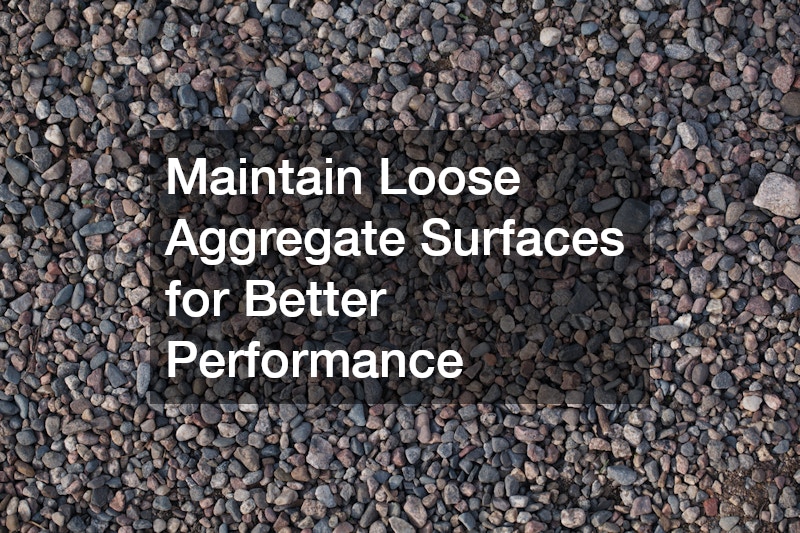
While gravel surfaces offer affordability and rustic appeal, they require ongoing maintenance to remain functional and attractive.
A gravel driveway experiences unique challenges compared to paved surfaces. Vehicle traffic gradually displaces gravel, creating ruts, depressions, and uneven areas. Heavy rainfall can wash away materials and contribute to erosion.
Without proper maintenance, loose aggregate surfaces may develop drainage issues that worsen over time. Water often follows established tire tracks, deepening ruts and increasing erosion during storms.
Regular grading helps redistribute material and restore a smooth driving surface. Additional gravel may also be needed periodically to maintain adequate depth and coverage.
Weed growth is another common concern. Vegetation can disrupt the surface and contribute to drainage problems if left unmanaged. Routine maintenance helps prevent weeds from becoming established.
Homeowners who maintain their gravel surfaces consistently often enjoy many years of reliable performance while avoiding more extensive restoration projects.
Know When Repairs Are No Longer the Best Solution
Although repairs can resolve many driveway problems, there comes a point when replacement becomes the more practical option. Understanding when a surface has reached this stage can help homeowners make informed decisions.
A qualified driveway contractor can evaluate the overall condition of the driveway and determine whether repairs remain cost-effective. Factors such as age, structural integrity, repair history, and extent of damage all influence this assessment.
Similarly, a trusted concrete company can evaluate whether extensive cracking, settlement, or deterioration warrants replacement rather than continued patchwork repairs.
Repeated repairs on a severely damaged driveway often provide only temporary improvements. Over time, maintenance costs may exceed the benefits of preserving an aging surface.
Replacement may also provide opportunities to improve drainage, upgrade materials, enhance appearance, and increase long-term durability. While replacement represents a larger initial investment, it often delivers better value when extensive deterioration is present.
Seeking multiple professional opinions can help homeowners determine the most cost-effective long-term solution.
Build a Maintenance Routine That Protects Your Investment
Preventive maintenance remains the most effective strategy for extending driveway lifespan and minimizing repair costs. A proactive approach allows homeowners to identify problems early and address them before significant damage develops.
Scheduling periodic inspections with a professional paving service can help uncover issues that may not be immediately obvious. Experienced professionals often identify warning signs long before major deterioration becomes visible.
Routine cleaning also plays an important role in maintenance. Removing debris, leaves, dirt, and standing water helps reduce moisture-related damage and preserves surface appearance.
Seasonal maintenance should include inspecting for cracks, evaluating drainage performance, monitoring surface condition, and addressing minor issues promptly. Small investments in preventive care often prevent much larger repair expenses later.
Homeowners who establish a consistent maintenance schedule generally experience fewer surprises and lower long-term ownership costs. Regular attention helps preserve structural integrity, improve appearance, and maximize the return on their investment.
Protecting Your Property With Proactive Surface Care
Driveway problems rarely appear overnight. Most issues develop gradually, providing homeowners with opportunities to intervene before major damage occurs. By understanding common warning signs and addressing concerns early, property owners can significantly extend the life of their driveway while avoiding costly repairs.
Whether dealing with cracks, drainage issues, erosion, surface wear, or settlement, prompt action is often the key to successful repairs. Regular inspections, proper maintenance, and professional evaluations when needed help preserve both functionality and curb appeal.
A well-maintained driveway not only enhances the appearance of a property but also provides safer access, better drainage performance, and long-term value. Investing time and attention into preventive care today can help ensure a durable, attractive surface that continues to perform reliably for many years to come.