Creating a home that feels both curated and comfortable requires a departure from the “disposable” mindset of traditional child-proofing. Instead, it invites a sophisticated integration of durable materials, smart technology, and architectural foresight. By focusing on the structural bones of a property and selecting finishes that age with grace rather than showing wear, homeowners can enjoy an environment that reflects their personal style while standing up to the energetic pace of childhood.
1. Building for a Lifetime of Style
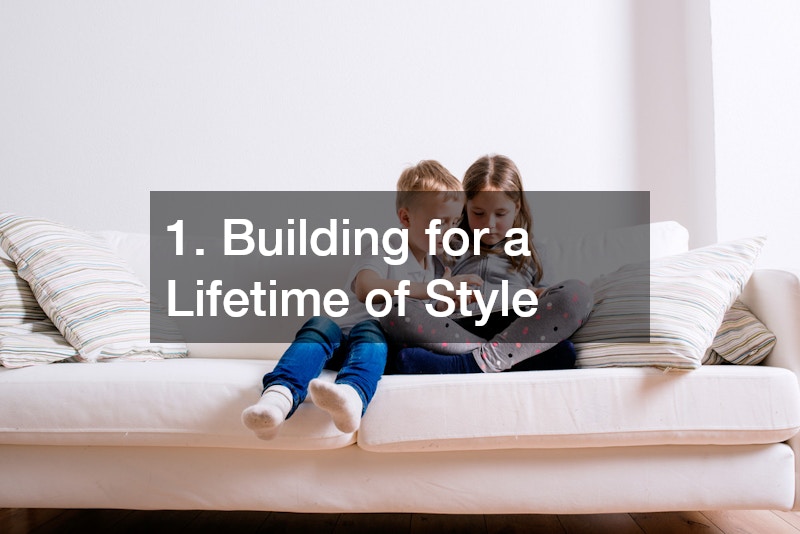
The foundation of a truly sophisticated, family-friendly home begins long before the furniture is delivered; it starts at the structural level. When conceptualizing a space that must withstand the rigors of toddlers while maintaining the elegance required for adult entertaining, one must look toward professional home construction as the primary vehicle for success. A well-constructed home prioritizes open sightlines, intuitive flow, and robust structural materials that serve as a quiet backdrop to the chaos of daily life.
On a more granular level, the specific choices made during the early stages of a build dictate the home’s long-term resilience. For instance, choosing high-performance subflooring and sound-dampening insulation between playrooms and home offices is a hallmark of thoughtful design. During the construction phase, builders can integrate reinforced wall backing for heavy art or wall-mounted televisions, ensuring that safety and aesthetics are physically built into the residence. By focusing on wide hallways and generous entryways, the home avoids the cramped feeling that often accompanies the accumulation of strollers and sports gear, allowing the architecture itself to dictate a sense of calm and order.
2. The Power of Custom Architectural Vision
A custom-built residence offers the unique opportunity to tailor every square inch to the specific needs of a modern family, moving far beyond the “cookie-cutter” layouts that often fail to balance privacy with supervision. Engaging with experienced custom home builders allows a homeowner to dictate a floor plan that features “flex rooms” and transitional spaces that can evolve as children age. These professionals understand how to blend luxury finishes with heavy-duty performance, ensuring that a grand foyer or a formal dining room doesn’t become a “no-go zone” for younger family members.
To get the most out of this partnership, homeowners should focus on “drop zones” and integrated storage solutions that are invisible to the casual observer. A custom builder can design a “hidden” mudroom behind a paneled wall in the main hallway, or create built-in cabinetry that matches the high-end millwork of the library but is secretly filled with toys. This level of customization allows for the inclusion of specialized materials, like inset floor mats or custom-milled hardwoods with a wire-brushed finish that hides scratches. By collaborating with builders who specialize in the luxury market, parents can ensure that the home’s footprint is optimized for both a high-energy Saturday morning and a formal Saturday night dinner party.
3. Revitalizing the Traditional Floor Plan
For those not building from scratch, the path to a sophisticated family home often involves the strategic reconfiguration of existing spaces to better serve contemporary needs. A comprehensive home remodeling project can breathe new life into a dated structure, removing restrictive walls to create the open-concept environments that modern families crave. This process is about more than just aesthetics; it is about correcting the friction points of a house—the narrow galley kitchen where everyone bumps into each other, or the lack of a main-floor powder room.
Specific attention during a remodel should be paid to the “thresholds” of the home, where high traffic meets high design. For example, replacing standard drywall corners with reinforced bullnose finishes or installing high-durability wainscoting can protect walls from the inevitable impact of toy trucks and scooters. During the renovation, homeowners might opt to replace standard flooring with large-format porcelain tile that mimics natural stone, providing a waterproof and scratch-proof surface that remains cool and elegant. By treating a remodel as a holistic upgrade of the home’s performance, parents can eliminate the stress of “accidents” while enjoying a space that looks like it belongs in an architectural digest.
4. Atmosphere and Intelligence in Lighting

Modern luxury is increasingly defined by the “invisible” comforts of a home, particularly how the environment adapts to the time of day and the activity at hand. Incorporating smart home lighting systems is one of the most effective ways to maintain a sophisticated atmosphere while addressing the practical safety needs of a household with children. These systems allow for the creation of “scenes” that transition the home’s mood at the touch of a button or a voice command. During the day, bright, cool-toned light can illuminate workspaces and play areas, while the evening can trigger a “sunset” mode that dims the lights to a warm, amber glow, signaling to children that it is time to wind down without the harsh glare of traditional overhead fixtures.
In a more practical sense, smart lighting serves as a critical safety feature that doesn’t compromise the home’s sleek design. Motion-activated path lighting can be programmed to lead from a child’s bedroom to the bathroom or the parents’ room, using low-level LEDs hidden beneath the baseboards. This eliminates the need for unsightly plug-in nightlights and ensures that children can navigate the home safely at night. Furthermore, these systems can be integrated with window treatments to manage natural light, protecting expensive furniture and art from UV damage during the day while ensuring total privacy and darkness for naps and bedtime, all controlled via a central, minimalist interface.
5. Architectural Safety with Elevated Hardware
The stairs and balconies of a home are often the most beautiful architectural features, but they also represent the most significant safety concerns for parents. To maintain a sophisticated aesthetic, one must move away from temporary plastic gates and look toward permanent, high-design railings that complement the home’s interior. Modern ironwork, tensioned cables, or thick tempered glass panels offer the necessary security to prevent falls without blocking sightlines or breaking the visual flow of the home. These materials provide a sense of permanence and quality that child-specific products simply cannot match, turning a safety requirement into a design statement.
When selecting these elements, the focus should be on the vertical spacing and the “climbability” of the design. A sophisticated solution involves using slim, vertical steel spindles with a matte black or bronze finish, which provides a timeless look that meets strict safety codes regarding gap widths. For homes with a more contemporary edge, glass railings with minimalist hardware offer a seamless look that allows light to penetrate deep into the home’s core. By investing in custom-fabricated hardware, homeowners avoid the “caged-in” look and instead enhance the vertical rhythm of their space, proving that safety and high-end craftsmanship are not mutually exclusive.
6. The Evolution of the Family Spa
The bathroom is a high-function space that must serve as both a practical wash station for children and a private retreat for adults. A high-end bathroom remodel should focus on “wet room” configurations, where the tub and shower are enclosed in a single tiled area, making cleanup from splashy bath times effortless. This design trend is inherently sophisticated, utilizing floor-to-ceiling stone or porcelain that feels like a luxury hotel. By removing the traditional “lip” of the shower and using linear drains, the space becomes safer for small children while maintaining a sleek, modern aesthetic that increases the home’s overall value.
To make the space truly kid-friendly without looking like a preschool, designers recommend integrated features like thermostatic mixing valves that prevent water from ever reaching a scalding temperature. Wall-mounted vanities can be installed at a standard height to look elegant, while a hidden “toe-kick” step can be built into the base, allowing children to reach the sink without the need for a bulky plastic stool. Choosing matte finishes for fixtures can also hide water spots and fingerprints more effectively than polished chrome.
7. Culinary Command Centers with Hidden Durability
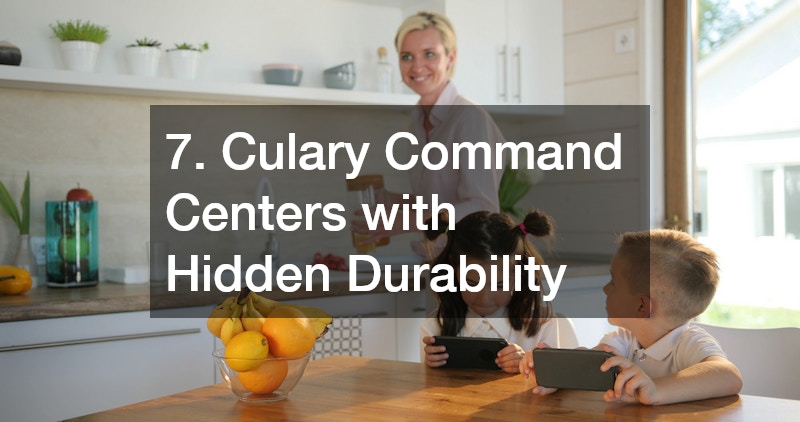
As the heart of the home, the kitchen must be a masterpiece of organization and a fortress of durability. The choice of kitchen cabinets is paramount here; they must offer enough storage to hide the clutter of lunchboxes and plastic dishes while presenting a front of exquisite woodwork or sleek lacquer. Opting for “full-overlay” or “inset” cabinetry creates a clean, architectural look that minimizes gaps and edges where grime can collect. Using high-performance finishes, such as conversion varnishes, ensures that the wood can be wiped down repeatedly without losing its luster or color, allowing the kitchen to survive the “sticky hand” phase of life unscathed.
For maximum efficiency, the internal organization of the cabinetry should be as meticulously planned as the exterior. Deep drawers with soft-close mechanisms are far superior to lower cabinets with doors, as they allow children to access their own snacks and plates safely without slamming fingers. A “hidden” appliance garage or a dedicated coffee station can keep the countertops clear of clutter, maintaining that minimalist, sophisticated vibe. Additionally, choosing a dark or textured wood grain for the island—the area most prone to kicks and scuffs—while using a lighter color for the wall cabinets can create a high-contrast, designer look that is strategically resilient.
8. Reclaiming the Lower Level for Luxury
The basement is often the unsung hero of a family-friendly home, providing a secondary zone where noise and toys can be contained. Professional basement remodeling transforms this often-underutilized space into a seamless extension of the upper floors, rather than a dark afterthought. By investing in high-quality egress windows, advanced humidity control, and proper ceiling heights, the lower level can house a sophisticated home theater, a wine cellar, or a guest suite. This allows the main living areas of the home to remain “adult-centric” and tidy, as the bulk of the play equipment and teen hangouts are moved to a space designed specifically for high-impact activity.
To avoid the “playroom” cliché, the basement should be finished with the same level of detail as the rest of the house, including crown molding and recessed lighting. A specific, actionable strategy is to install luxury vinyl plank (LVP) flooring, which offers the warmth of wood but is completely waterproof and nearly indestructible—perfect for spills or basement-specific plumbing issues. Partitioning the space with glass-enclosed “study pods” or creative studios allows the basement to serve multiple generations simultaneously. By treating the basement as a high-end renovation project, homeowners create a versatile “escape” that adds significant square footage and lifestyle flexibility to the property.
9. Selecting the Right Partners for the Job
Executing a high-end vision while maintaining a family-focused lens requires a team that understands the intersection of luxury and livability. Vetting and hiring the right remodeling contractors is the most important step in ensuring the project is completed to a standard that justifies the investment. These professionals should have a portfolio that demonstrates not just beauty, but longevity—showing how their designs hold up after years of use. A quality contractor will act as a consultant, suggesting materials like “performance” fabrics or quartzites that the homeowner may not have considered, but which will save countless hours of maintenance and repair in the future.
When interviewing potential teams, homeowners should ask specific questions about their experience with “universal design” and “durable luxury.” A sophisticated contractor will have established relationships with specialized subcontractors and will be able to manage the logistics of a project so that the family’s daily routine is disrupted as little as possible. They should provide a clear, detailed timeline and a transparent budget that accounts for the high-quality finishes required to achieve a sophisticated look. By building a relationship based on trust and shared aesthetic goals, the homeowner ensures that the final result is a polished, “magazine-ready” home that is fundamentally built for the people who live in it.
10. The Hearth as a Safe Masterpiece
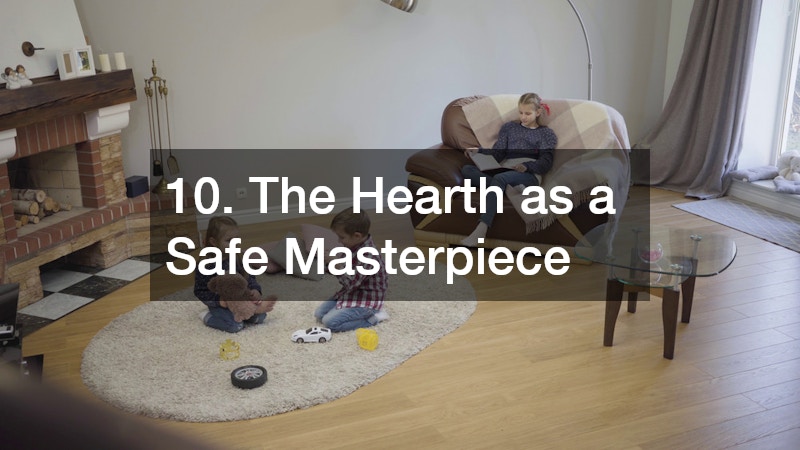
The fireplace is a classic symbol of home and comfort, yet it often presents a challenge for parents concerned about hot surfaces and sharp stone edges. Engaging professional fireplace surround services allows for the creation of a stunning focal point that incorporates modern safety features into a high-design frame. Instead of a traditional protruding hearth with sharp corners, a “flush” hearth integrated into the flooring can eliminate tripping hazards. Furthermore, using non-combustible materials like large-format porcelain slabs or smooth-honed soapstone provides a contemporary, minimalist look that is much easier to clean than traditional craggy brick or porous limestone.
Specific safety upgrades, such as “cool-touch” glass technology for gas fireplaces, allow the fire to be enjoyed without the exterior glass reaching dangerous temperatures. This is a game-changer for families with toddlers, as it removes the need for bulky, unattractive fire screens. The surround can also be designed to include “hidden” storage for media components or toys, keeping the living room’s visual lines clean. By customizing the mantel and surround to the exact proportions of the room, homeowners can create an architectural feature that draws the eye upward, emphasizing the height and sophistication of the space while keeping the “danger zone” at floor level completely secure.
The journey toward a sophisticated, child-friendly home is one of intentionality and balance. It is entirely possible to maintain a residence that reflects a refined, adult aesthetic while simultaneously providing a warm and safe environment for children to explore. The secret lies in the quality of the materials, the intelligence of the technology, and the expertise of the professionals brought in to execute the vision. By focusing on long-term durability over temporary fixes, and architectural beauty over “kiddy” trends, a home can become a place where every family member feels at home. Ultimately, a house that is built to handle the beautiful mess of family life is the truest form of luxury, offering a seamless backdrop for the memories that matter most.