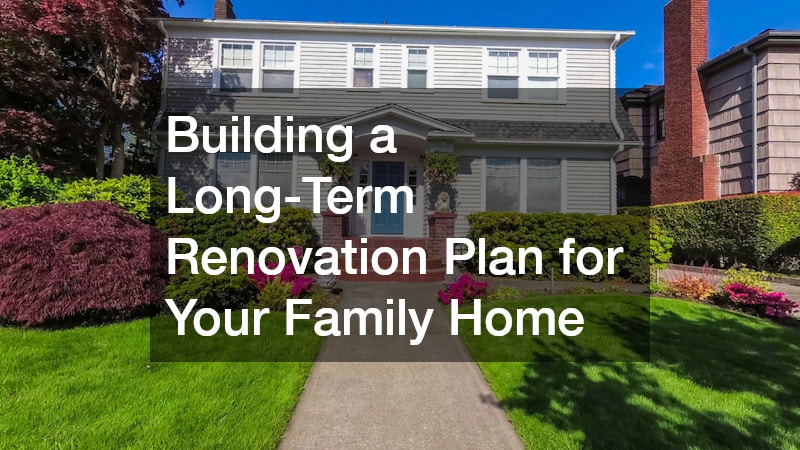
A family home is never static, and its needs change as the household evolves. As children grow, work-from-home arrangements develop, or multi-generational living becomes a consideration, spaces that once functioned perfectly may start to feel cramped, inefficient, or outdated. Without careful planning, these changes can lead to reactive decisions, rushed upgrades, or emergency repairs that are costly and disruptive. Long-term renovation planning helps families view the home as an interconnected system, ensuring that each improvement complements others rather than creating new problems or conflicts down the line.
Instead of addressing issues as they arise, a thoughtful, multi-year plan allows homeowners to prioritize projects based on safety, functionality, and long-term value. By spreading renovations across several phases, families can better manage budgets, schedule work around busy routines, and avoid the stress of overlapping projects. This approach also provides the opportunity to research materials, coordinate with contractors, and make informed design decisions that meet current needs while anticipating future changes. In doing so, the home evolves in a structured, efficient way, supporting both everyday life and long-term family goals.
Assessing Your Home’s Current Condition Before You Plan

A long-term renovation plan should always start with a clear understanding of your home’s strengths and weaknesses, because this early evaluation influences every decision that follows. Before selecting finishes or redesigning spaces, homeowners benefit from examining how the home performs overall, including structural soundness, layout flow, and the condition of major systems. This initial review helps families identify which areas support their lifestyle well and which ones create limitations, allowing them to focus on improvements that will have lasting impact rather than short-term appeal.
Working with experienced home remodelers helps families step back and view the home as a connected system instead of a collection of individual rooms. A comprehensive assessment typically considers layout efficiency, aging materials, energy performance, and spaces that may restrict future adaptability. Professionals can also help homeowners distinguish between urgent needs and upgrades that can be scheduled later, making it easier to prioritize projects that enhance daily comfort while reducing the risk of costly repairs down the road.
Exterior evaluations are just as important as interior ones, and roofing companies often play a critical role in identifying issues that are not immediately visible from inside the home. Roof condition, flashing durability, drainage patterns, and ventilation can all affect when interior renovations should occur and how successful they will be over time. Documenting these exterior findings early allows homeowners to coordinate timelines more effectively, plan renovations in the correct order, and avoid redoing completed work once larger structural or exterior projects are addressed.
Setting Family-Centered Renovation Goals
Once you have a clear understanding of your home’s current condition, the next step is defining what your family truly needs from the space. Renovation goals should not only reflect how the home is used today but also anticipate how usage may evolve over the coming years. Families should consider factors such as growing children, changing work-from-home needs, entertaining spaces, and accessibility for aging family members. By identifying both short-term and long-term priorities, homeowners can make informed decisions that ensure every renovation contributes to functionality, comfort, and adaptability.
For many families, basement remodeling becomes a central focus as household needs change. A well-designed basement can serve multiple purposes throughout its lifespan, acting as a playroom for younger children, a home office for parents, a guest suite for visiting family, or a quiet retreat for hobbies and relaxation. When planning this type of upgrade, it’s important to think beyond immediate needs and create flexible layouts, durable finishes, and thoughtful lighting solutions that allow the space to evolve without requiring major structural changes in the future. Proper planning ensures that the basement remains a valuable and functional part of the home for years to come.
Exterior renovation goals should also align with family priorities, and partnering with a siding contractor can help achieve a balance between aesthetics, durability, and energy efficiency. High-quality siding not only enhances curb appeal but also provides better insulation, reduces ongoing maintenance, and protects the home from weather-related damage. Scheduling siding upgrades strategically—ideally alongside other exterior improvements or before extensive interior work—ensures the home remains protected throughout the renovation process. This coordinated approach supports long-term goals, preserves structural integrity, and maximizes the value of both interior and exterior investments.
Planning for Moisture Control and Structural Protection
Moisture is one of the most damaging forces a home can face, and addressing it early is essential for effective long-term planning. Left unchecked, moisture can gradually weaken structural components, encourage mold growth, and reduce indoor comfort, all while remaining hidden behind walls or beneath flooring. Families should treat moisture control as a foundational element of any renovation strategy, ensuring that protection measures are in place before investing in finished spaces or design upgrades.
Selecting the right waterproofing material plays a critical role in preventing long-term structural damage and preserving the integrity of renovated areas. Moisture intrusion can compromise framing, drywall, flooring, and even indoor air quality, making proactive solutions especially important for homes with basements, crawl spaces, or older foundations. By incorporating waterproofing measures early in the planning process, families gain peace of mind knowing that future interior upgrades are built on a stable, protected foundation.
Proper drainage is another key component of moisture management, and seamless gutters play a major role in directing water safely away from the home. When gutters function as intended, they help prevent foundation settling, soil erosion, and premature wear on siding and exterior finishes. Including gutter inspection, cleaning, and maintenance in a long-term renovation plan ensures consistent water control throughout the year, protecting both the home’s structure and surrounding landscaping from unnecessary damage.
Creating a Phased Roofing Strategy
The roof impacts nearly every other renovation decision, making it essential to plan roof-related work with care and foresight. Because the roof protects the entire structure, its condition can influence the timing and success of interior upgrades, energy improvements, and exterior renovations. A phased approach allows families to align roof-related projects with broader renovation goals, ensuring that improvements are completed in the correct order and support the home’s long-term performance rather than creating conflicts later.
Scheduling regular inspections with a qualified roofer helps homeowners understand the current condition of their roof and estimate its remaining lifespan. These evaluations can reveal early signs of wear, ventilation issues, or minor damage that may not yet be visible from inside the home. By determining whether repairs, partial replacements, or full upgrades are needed, families can plan ahead and avoid scheduling interior renovations that might be interrupted by unexpected roof work.
Coordinating timelines with a roofing contractor can further reduce costs and prevent unnecessary rework across multiple projects. When roof upgrades are planned alongside related exterior improvements, such as insulation enhancements or siding replacement, labor and materials can often be streamlined. This coordinated approach helps families maintain consistent progress, avoid duplicated efforts, and ensure the roof continues to support long-term renovation goals rather than becoming an unexpected obstacle.
Budgeting Renovations Over Multiple Years
One of the biggest advantages of long-term planning is the ability to manage renovation costs without overwhelming household finances. Spreading projects across several years allows families to stay flexible and make thoughtful decisions.
Breaking projects into phases that include necessary roofing services can help homeowners allocate funds more effectively. Rather than tackling everything at once, families can group related improvements and schedule them based on urgency and budget. This approach also allows time to research options, compare estimates, and adjust plans as priorities evolve.
Energy-related upgrades should also be considered in the budgeting process, and working with a solar company can help families plan for future efficiency improvements. Solar installations often align best with roof upgrades or electrical updates, making them ideal candidates for later phases. Planning these investments ahead of time helps homeowners take advantage of incentives while avoiding rushed decisions.
Coordinating Contractors to Avoid Rework
Poor coordination is one of the most common reasons renovations become more expensive and time-consuming than expected. When projects are tackled out of sequence, homeowners may find themselves tearing out recently finished work to access underlying systems or address issues that should have been resolved earlier. A well-developed long-term plan clearly defines the order in which renovations will take place, helping families avoid unnecessary rework, reduce labor costs, and keep each phase aligned with the next. Clear sequencing also makes it easier to communicate expectations with contractors and maintain consistent progress throughout the renovation timeline.
Helpful coordination strategies include:
- Completing structural and moisture-related upgrades before cosmetic finishes
- Scheduling exterior work before interior renovations where possible
- Ensuring electrical, plumbing, and insulation updates are addressed early
By mapping out these steps in advance, families create a smoother renovation process with fewer surprises. Thoughtful coordination minimizes downtime between phases, reduces conflicts between trades, and helps ensure that each completed upgrade supports the next one. Over time, this organized approach keeps projects on schedule, protects the renovation budget, and allows families to enjoy the benefits of their improvements without unnecessary disruption.
Planning Renovations Around Daily Family Life

Even the best renovation plan must account for the realities of daily living, especially in busy family households where routines provide structure and stability. Construction noise, dust, and limited access to certain rooms can quickly disrupt work schedules, school responsibilities, and daily habits if not planned carefully. By thinking ahead about how renovations will affect everyday life, families can reduce frustration, maintain a sense of normalcy, and ensure that home improvements enhance comfort rather than create ongoing stress.
Considerations for family-friendly planning include:
- Scheduling noisy or intrusive work during school hours or vacations
- Creating temporary spaces for cooking, working, or studying
- Communicating timelines clearly with children to set expectations
These small adjustments can make a significant difference in how manageable renovations feel over time. When families proactively plan for disruptions, they are better equipped to adapt to temporary inconveniences and keep daily life running smoothly. This thoughtful approach helps maintain morale, reduces conflict, and allows everyone in the household to stay focused on the long-term benefits of the renovation process.
Preparing for Future Maintenance and Upgrades
A long-term renovation plan doesn’t end when construction is complete; in many ways, that’s when the next phase of responsible homeownership begins. Homes are living systems that continue to age, settle, and respond to daily use and environmental conditions. By building ongoing maintenance and future improvements into the renovation strategy from the start, families can extend the lifespan of their upgrades and avoid the stress of unexpected repairs. Planning ahead also makes it easier to anticipate when systems may need attention, allowing homeowners to act before minor issues turn into major expenses.
Staying organized helps families protect their investment and includes:
- Keeping records of warranties, permits, and inspection reports
- Scheduling routine inspections for key systems
- Setting aside funds annually for future repairs or upgrades
This proactive mindset ensures the home continues to support the family’s needs without unexpected surprises. When maintenance and upgrades are treated as part of a long-term plan rather than emergencies, families gain greater control over their budgets, timelines, and living environment. Over time, this approach preserves comfort, safeguards property value, and provides peace of mind as the home evolves alongside the family.
Building a long-term renovation plan allows families to take control of their home’s future instead of reacting to problems as they arise. By carefully assessing the home’s current condition, homeowners gain a clear understanding of which areas need immediate attention and which can be addressed over time. Setting clear priorities ensures that every project aligns with both the family’s lifestyle and long-term goals, while pacing upgrades thoughtfully prevents overwhelm and allows budgets to be managed effectively. This proactive approach also creates flexibility, giving families the ability to adapt spaces as children grow, routines change, or new opportunities arise, ultimately turning the home into a space that evolves alongside the family.
With a well-structured plan, renovations become not only less stressful but also more cost-effective and rewarding. Coordinating projects strategically reduces wasted time, avoids unnecessary rework, and ensures that improvements complement one another rather than conflict. Over time, this methodical approach enhances daily comfort, maximizes energy efficiency, and maintains structural integrity, all while protecting the home’s long-term value. By viewing each upgrade as part of a comprehensive plan rather than a series of isolated fixes, families can make confident, informed decisions that result in a home that supports their needs for years to come.